
Digital Literacy · Sanarip Insan · 30-Month Wrap-Up
We planned to reach 100,000 users and train 100 women and young people in digital skills. The project actually reached 2.5 million people through television and radio. The honest reflection is that I had set the wrong target.
2024-03-19 · Aziz Soltobaev · KG Labs Foundation
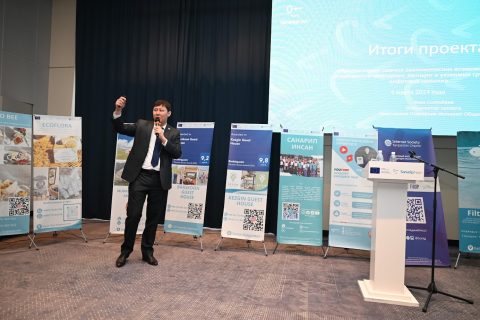
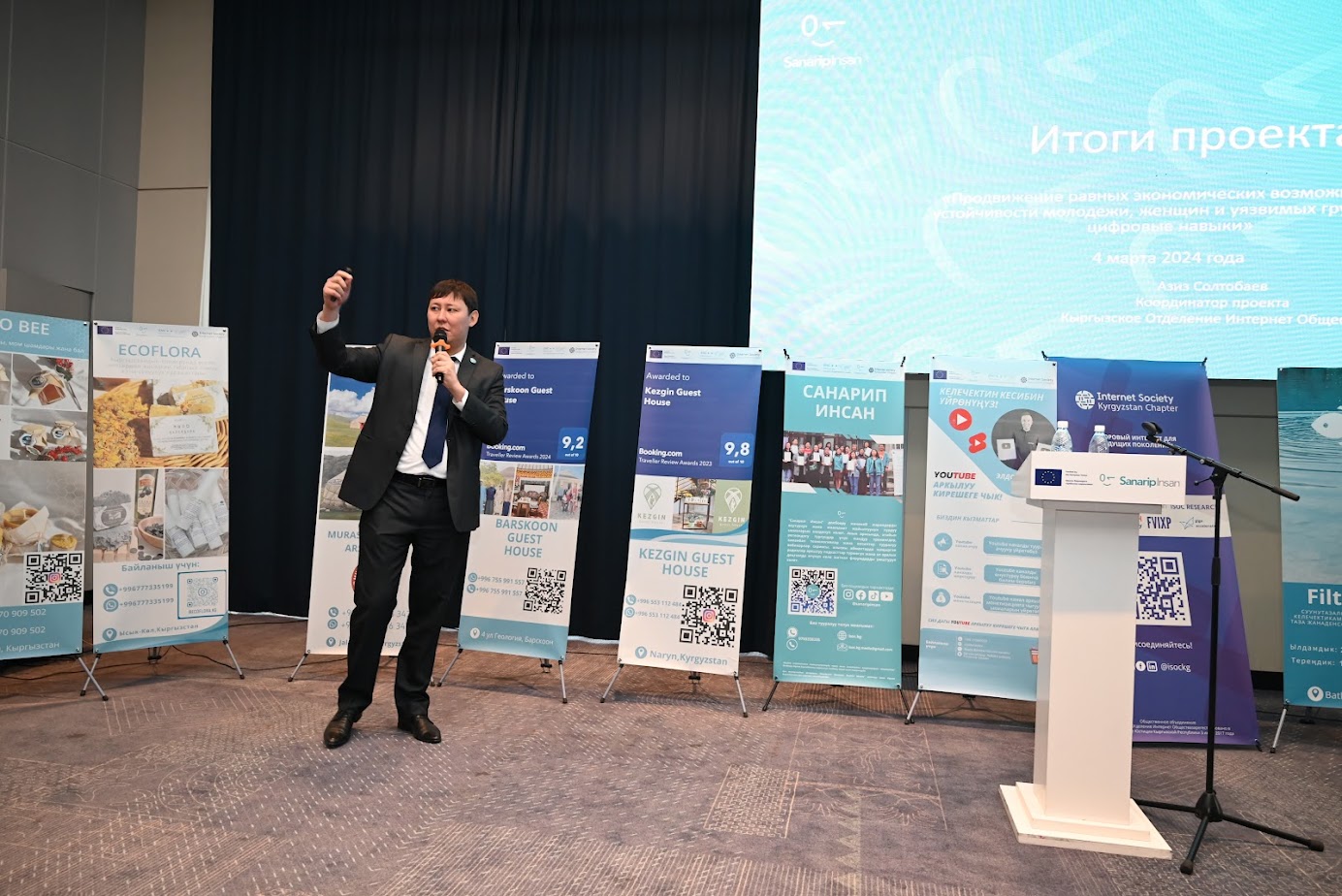
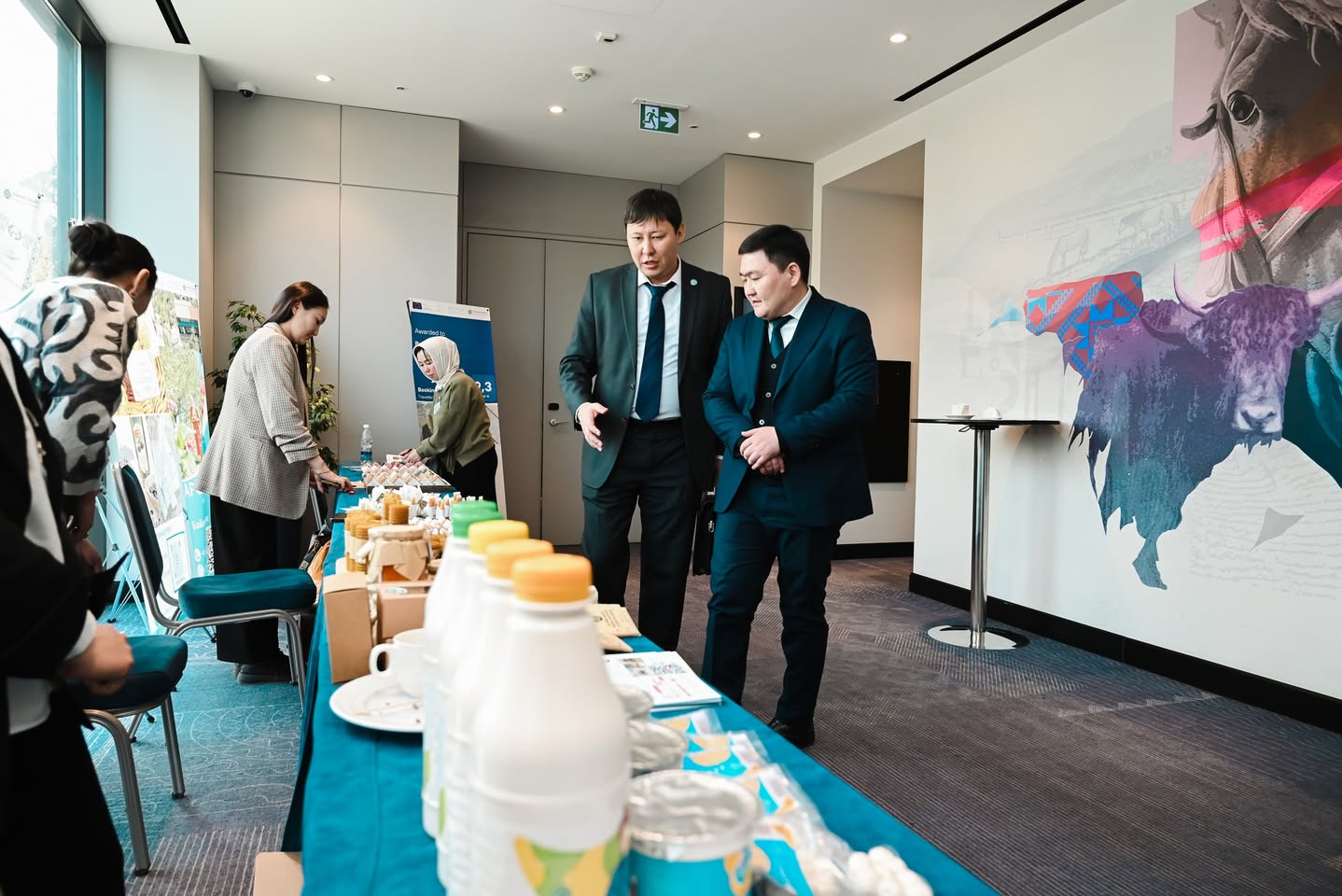
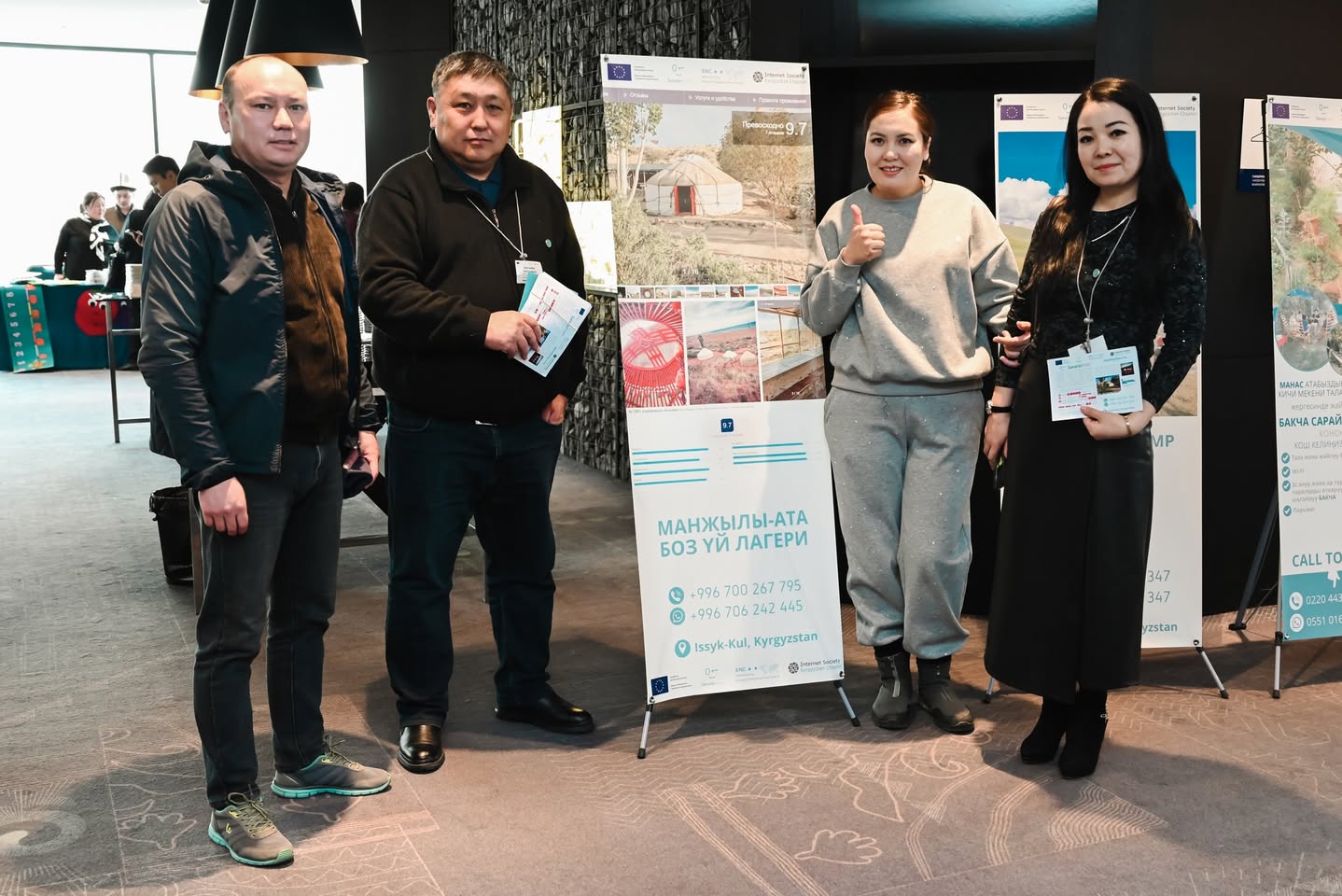
In early March 2024, we invited the key beneficiaries and partners of the Sanarip Insan project to the formal presentation of the results of 30 months of work — a project funded by the European Union and aimed at lifting the economic well-being of the rural population of the Kyrgyz Republic. The project was implemented by Internet Society Kyrgyzstan Chapter and European Neighborhood Councils.
I want to write this post in first person, because this project was a personal one for me. The conceptual framework and the logical basis came from research on digital skills that I had done earlier. I went into the project wanting to prove that the research’s conclusions and recommendations were correct.
Looking back over the two and a half years of work, the honest reflection is that I was wrong. Not about the conclusions of the research — those held up. About the importance of the results, and about which results the project would actually produce.
What we had aimed for
In the starting presentation of the project, we set what felt like an ambitious target: to reach 100,000 users with the project’s outputs, and to train 100 women and young people in basic and intermediate digital skills, so they could improve their economic standing without leaving their home villages — without leaving Kyrgyzstan.
That was the project as proposed and funded. The numbers were chosen because they were realistic for the project’s grant size, and because they let us argue for the project on the basis of a clear theory of change: train 100 people, who each then influence around 1,000 around them, gives you 100,000 reached. Clean. Defensible. Reportable.
What actually happened
By the end of the 30 months, we had reached approximately 2.5 million people through traditional radio and television channels and through digital media. Twenty-five times the planned figure.
Our video segments and podcasts were broadcast on all national television and radio channels, on regional district-level channels, and across public media platforms. The content was on issues that the original digital-skills curriculum had been designed for — how to use a mobile phone for online banking, how to register a guesthouse on a listings platform, how to use the Tündük app to access government services — but the delivery channels were ones we had not put in the original project plan.
The reason this happened, in retrospect, is that the demand for this kind of content in the Kyrgyz language was much larger than the demand we had estimated. Once one regional channel ran our material, others asked for it. Once one radio station found our format worked, the format spread. The original 100 trainees each became, in their communities, multipliers of a kind that the original theory of change had not anticipated.
I am proud of the 2.5 million figure. I am also clear that hitting it by 25× the plan tells me something important about how the original plan was structured.
Where I was wrong
I had set targets that the project could meet by direct instruction. Train 100 people. Reach 100,000 indirectly. Each number was something the project staff could control — number of training sessions, number of attendees, number of social-media impressions from outputs the project produced itself.
I had not set targets that captured the amplification through other parties — through national and regional media that asked us for content because the demand was there, through government partners who incorporated our material into their own communications, through local-administration staff who used our videos in their own meetings. That amplification turned out to be 24 times the size of the directly-controlled effect.
The mistake is not that the project under-performed. The mistake is that I had not set targets that captured the dimension where the project actually performed.
The corollary is uncomfortable. If I had set those targets in the original proposal, the project might not have been funded — because targets like “we will reach 2.5 million people through national and regional media” are, on paper, the kind of claim that funders are right to distrust. The targets I did set were defensible precisely because they were modest. The defensibility came at the cost of measurement.
What I would do differently now
The next time I structure a project like Sanarip Insan, I would build into the design from the start the question of where the amplification will come from. Not as an aspirational add-on, but as a measurable input. Which media partners are committed to running material? Which government partners are committed to incorporating outputs into their own channels? Which local administrations are committed to using the material in their own meetings? Each of those is a target that can be measured during implementation.
The 100-trainee number stays. It is the core delivery the project’s grant pays for. But it sits inside a larger frame that captures the reach the project actually produces, and that frame is set up before implementation begins, not after.
This is the kind of learning that 30 months of running a project teaches you and that no methodology document can substitute for. I am writing it down because the next person who designs a digital-skills project in Central Asia is going to face the same trade-off, and I would rather they did it with the benefit of this mistake than make it again themselves.
Where the project ends and what continues
The Sanarip Insan formal project closed in March 2024. The training programmes and the broadcast partnerships continue — the latter because broadcasters discovered content with audience demand, and they will keep running variations of it on their own. The trainees continue, now as practitioners in their home regions. The Demo Day at Kyrgyzpatent in November 2023 produced 22 grant-recipient startups that are still operating.
The thanks go to the European Union delegation in Kyrgyzstan for the funding and the trust over 30 months; to the European Neighborhood Councils for the implementation partnership; to the team at Internet Society Kyrgyzstan Chapter who carried the day-to-day work; and to the trainees, broadcast partners, and government partners who took the material and ran with it further than any of us had predicted.
Project summary on the ISOC KG site: https://isoc.kg/ru/news/sanarip-insan-summarizes-the-results-of-the-two-year-project/.
The lesson stays with me. The next project gets the better targets.