Climate · AI · Istanbul Modern
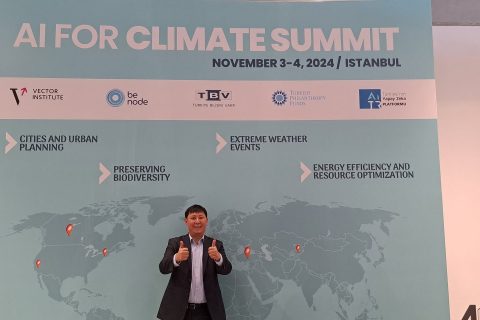
A two-day summit at the Istanbul Modern Museum on 3–4 November 2024 brought AI researchers and climate NGOs into the same room. The day-one workshop is where the Vector Institute / heatwave-forecasting work I have been doing on Kyrgyzstan’s high-altitude regions found its peer-group.
2024-11-07 · Aziz Soltobaev · KG Labs Foundation
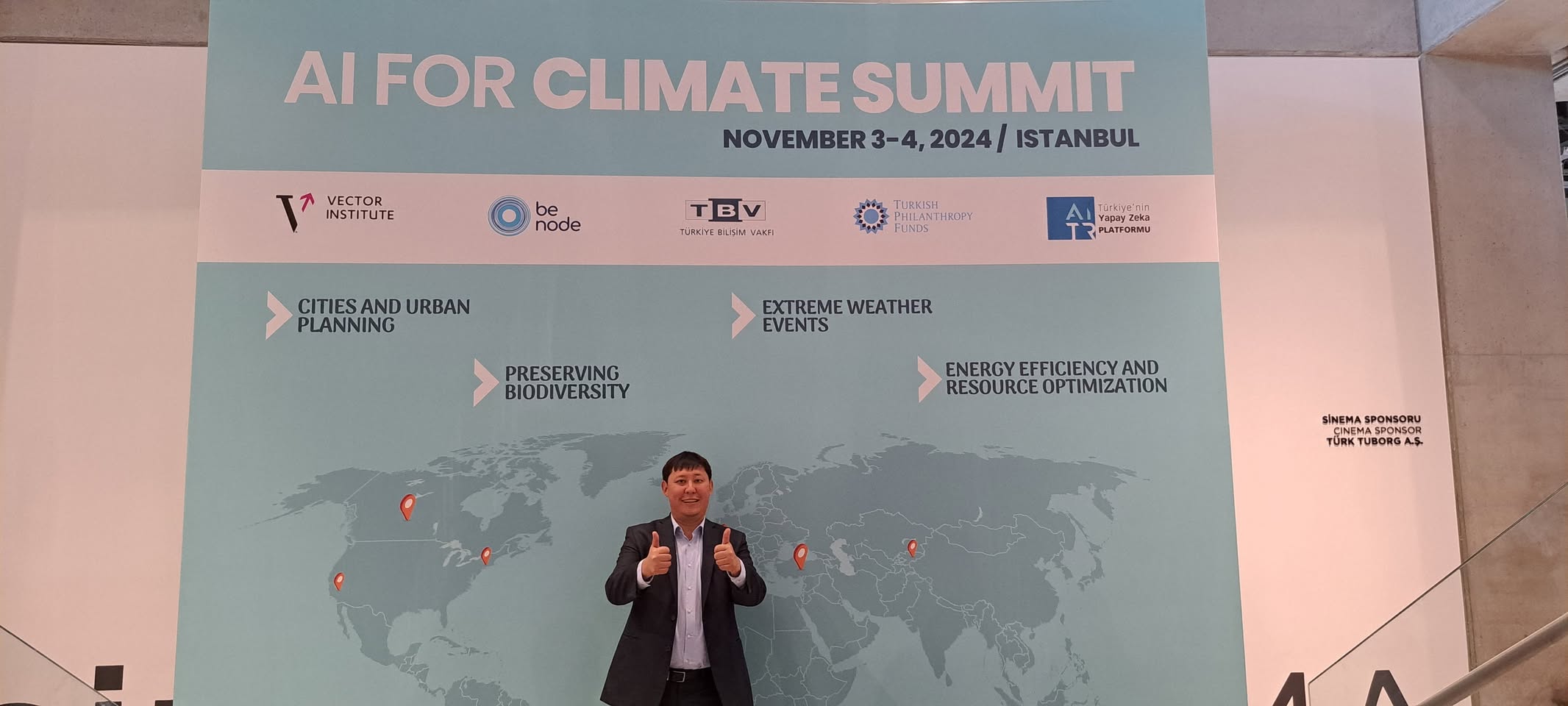
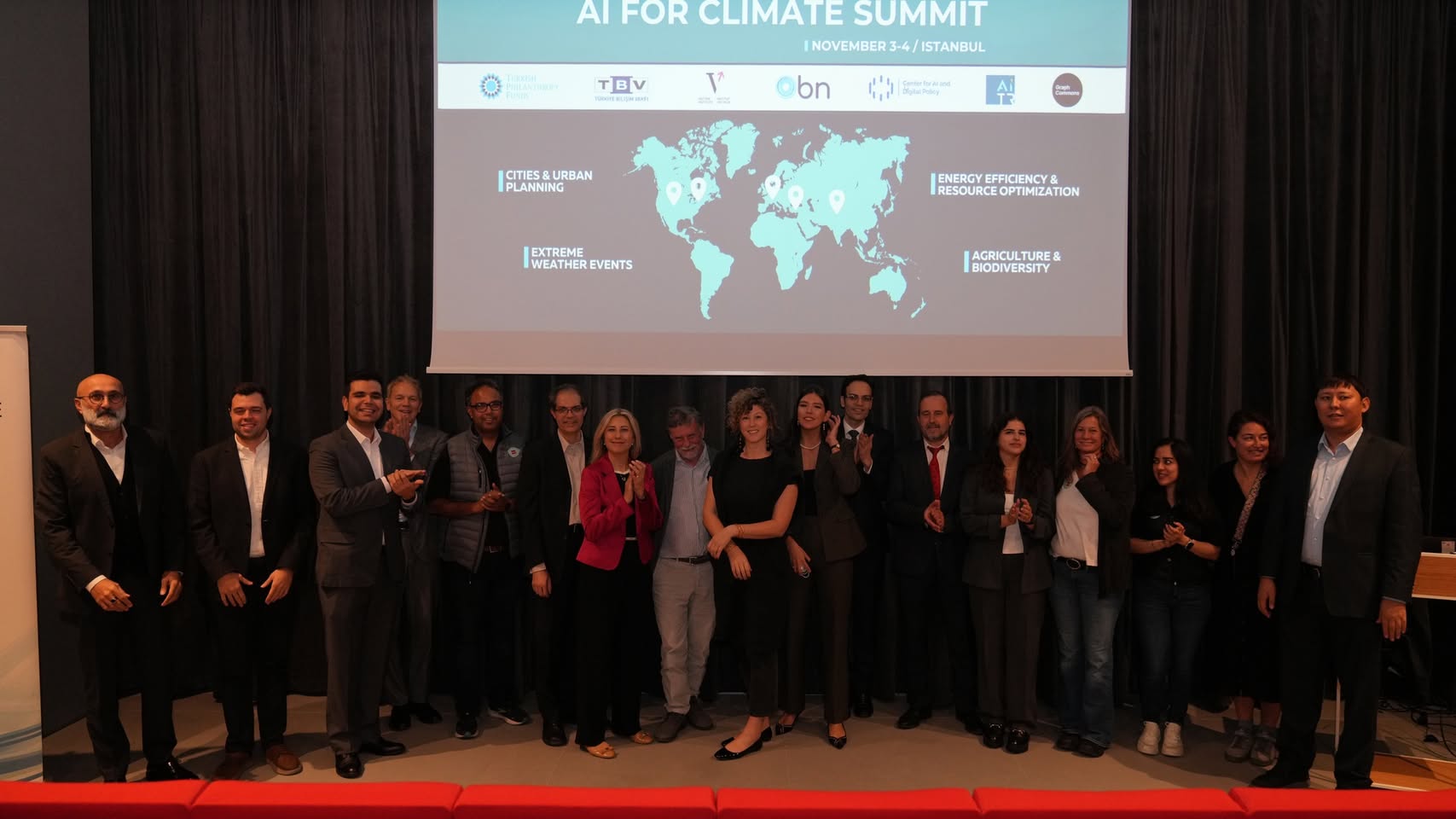
On 3–4 November 2024, the Istanbul Modern Museum hosted the AI for Climate Relief Summit. The frame was simple: bring leading artificial-intelligence researchers and selected climate NGOs into the same building for two days, give them a private workshop on day one to develop project ideas together, and on day two open it as a public forum to broaden the conversation. I went on the strength of the climate-monitoring work running through Internet Society Kyrgyz Chapter and the AI-side collaboration with the Vector Institute that had been seeded earlier in 2024.
What day one was actually for
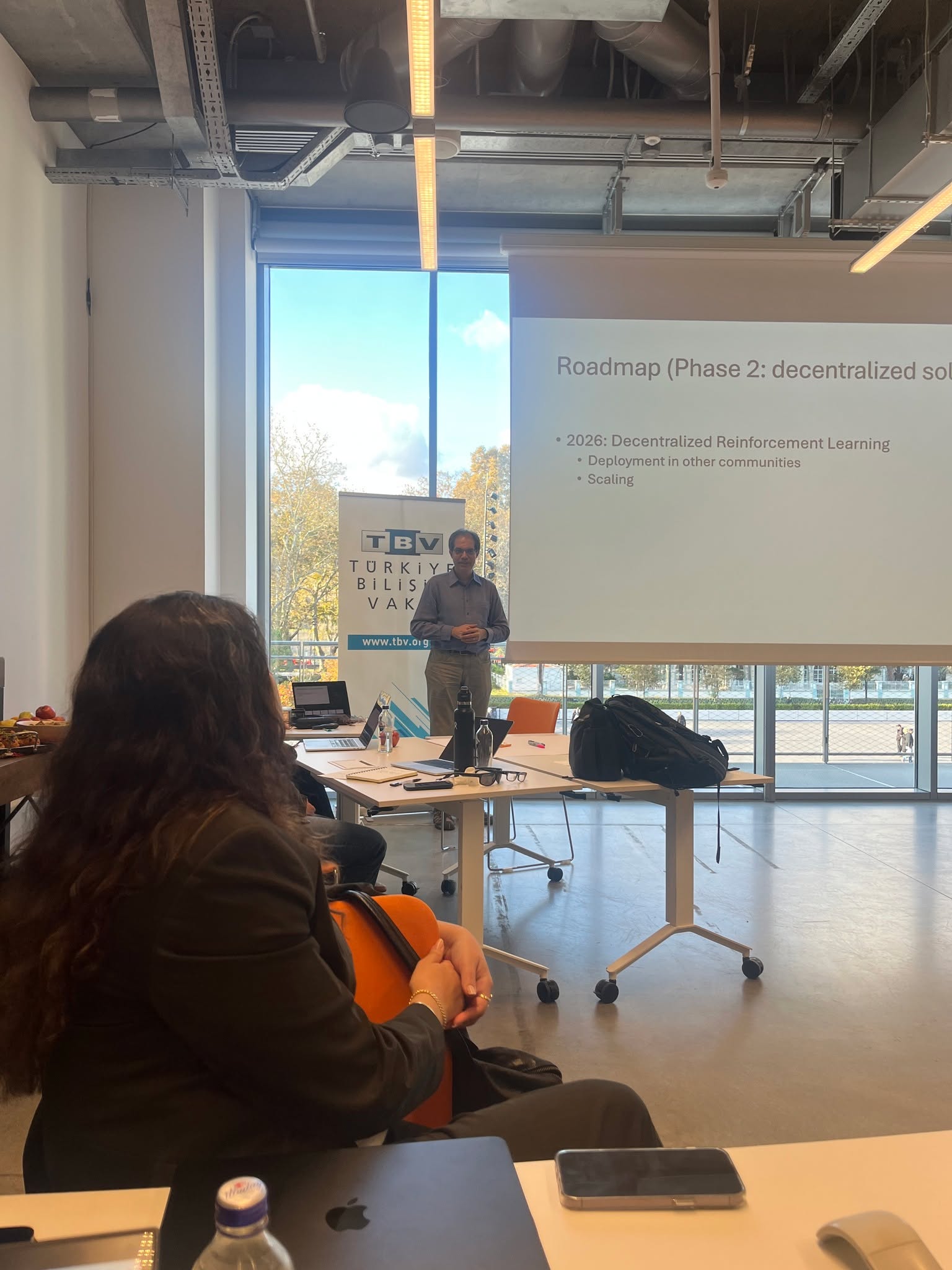
The structure of the workshop day was the part I think mattered most. Half the room was AI researchers — the people who write the models and the inference pipelines. The other half was climate NGOs — the people who have the data, the ground truth, and the operational use case. The format pushed pairings: an NGO sat with two or three researchers, talked through their specific problem in detail, and the researchers committed to a project idea by the end of the day.
The format works because it bypasses the usual failure mode in academic-NGO collaboration, which is that the researcher and the NGO never spend uninterrupted time on the same problem at the same table. When they do — as they did on this day, by design — the conversation moves fast. The researcher learns what the data looks like and what the operational constraints are. The NGO learns what is actually computable in the timeframe they have.
I was there as the representative of the Internet Society Kyrgyz Chapter side of the LoRaWAN climate-monitoring deployment in Kyrgyzstan, which by November 2024 was producing a continuous data stream from a growing set of stations across the high-altitude zone of the country. The collaboration with the Vector Institute on heatwave forecasting for the Pan-Third Pole was the AI-side counterpart we had been building over the summer. Istanbul was where the two halves of the collaboration crystallised into a working project frame.
What day two added
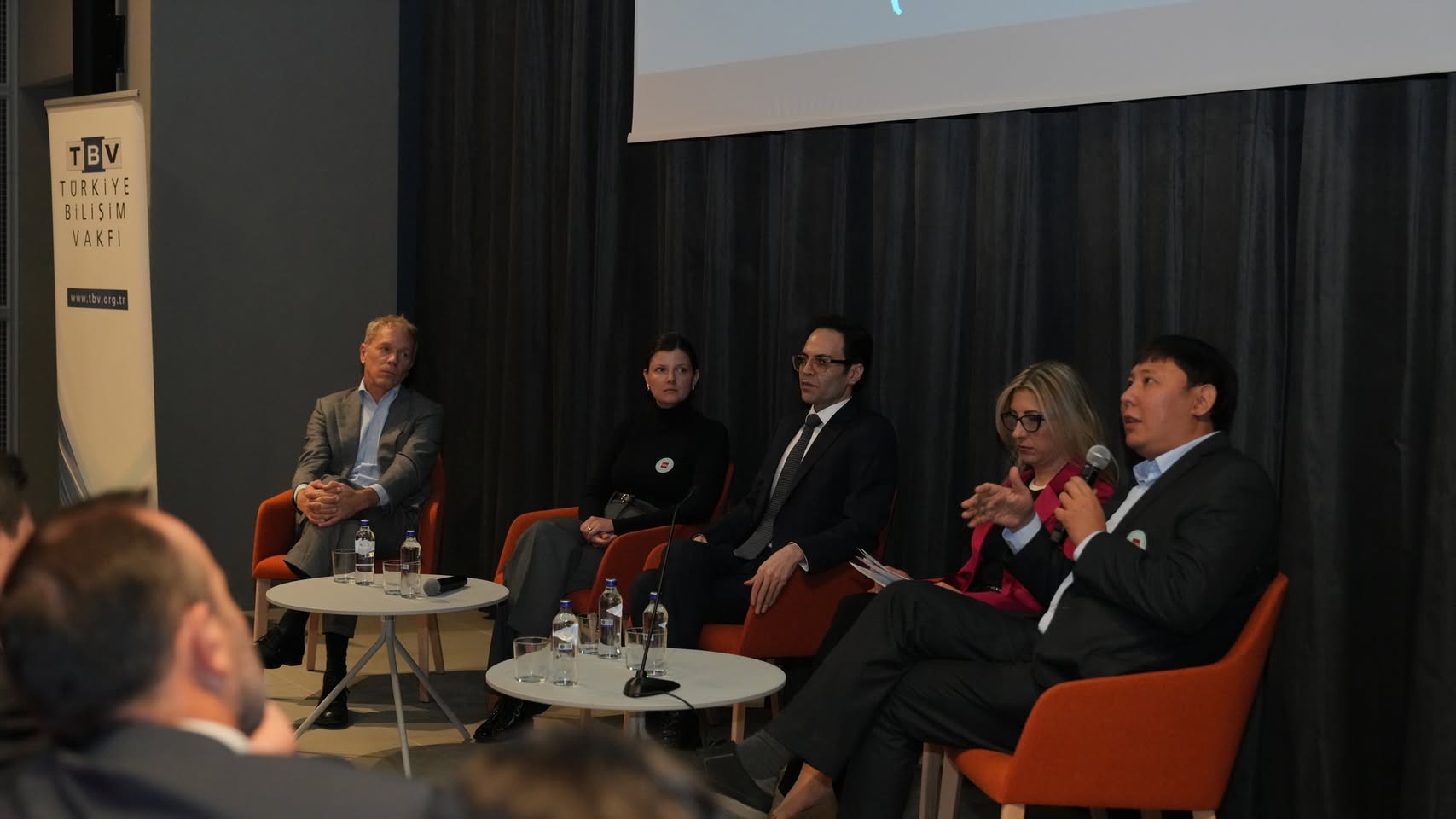
Day two opened the gates. The public forum on the role of AI in climate work brought a broader audience into the same building. Speakers presented across disaster resilience, sustainable energy, and environmental restoration. The forum was useful because the project ideas that came out of the day-one workshop got an audience reality-check: people from outside the workshop room asking the practical questions about deployment, sustainability, and accountability.
For me, the value of day two was the corridor conversations. I had specific questions about how other regions were thinking through the same problem — how Türkiye’s own NGOs were combining sensor networks with AI inference, what the operational use cases in the Mediterranean drought zone looked like, where the funding for cross-border climate-AI work was actually sitting. The corridor produced concrete contacts. Several of them turned into the next round of conversations through 2025.
What it set up for 2025
Concretely, the Istanbul summit’s main effect on our work was that it accelerated the AI-side of the climate-monitoring deployment. The Vector Institute collaboration on heatwave forecasting moved from «interesting pairing» to «active research project with compute access and a defined publication target» in the weeks following. Our internal expectation, going into 2025, was that we would have a first paper draft on heatwave forecasting in the Pan-Third Pole within twelve months — and that this paper would carry the field-data record from the Kyrgyz LoRaWAN network as its empirical base.
That timeline held. The first paper draft went into review by mid-2025; a separate post on the third-pole AI work (see What the Mountain Already Knows on the existing kglabs.org climate track) covers the methodological side in more depth.
The frame I keep coming back to from Istanbul is this: AI-for-climate work is bottlenecked on the interface between researchers and ground-truth operators, not on the model architectures. Models advance fast; the interface advances slowly, and only when somebody puts both sides in the same room and gives them two days. The Istanbul Modern, on a Sunday and a Monday in early November 2024, did exactly that.