
Climate · Permafrost · Pan-Third Pole
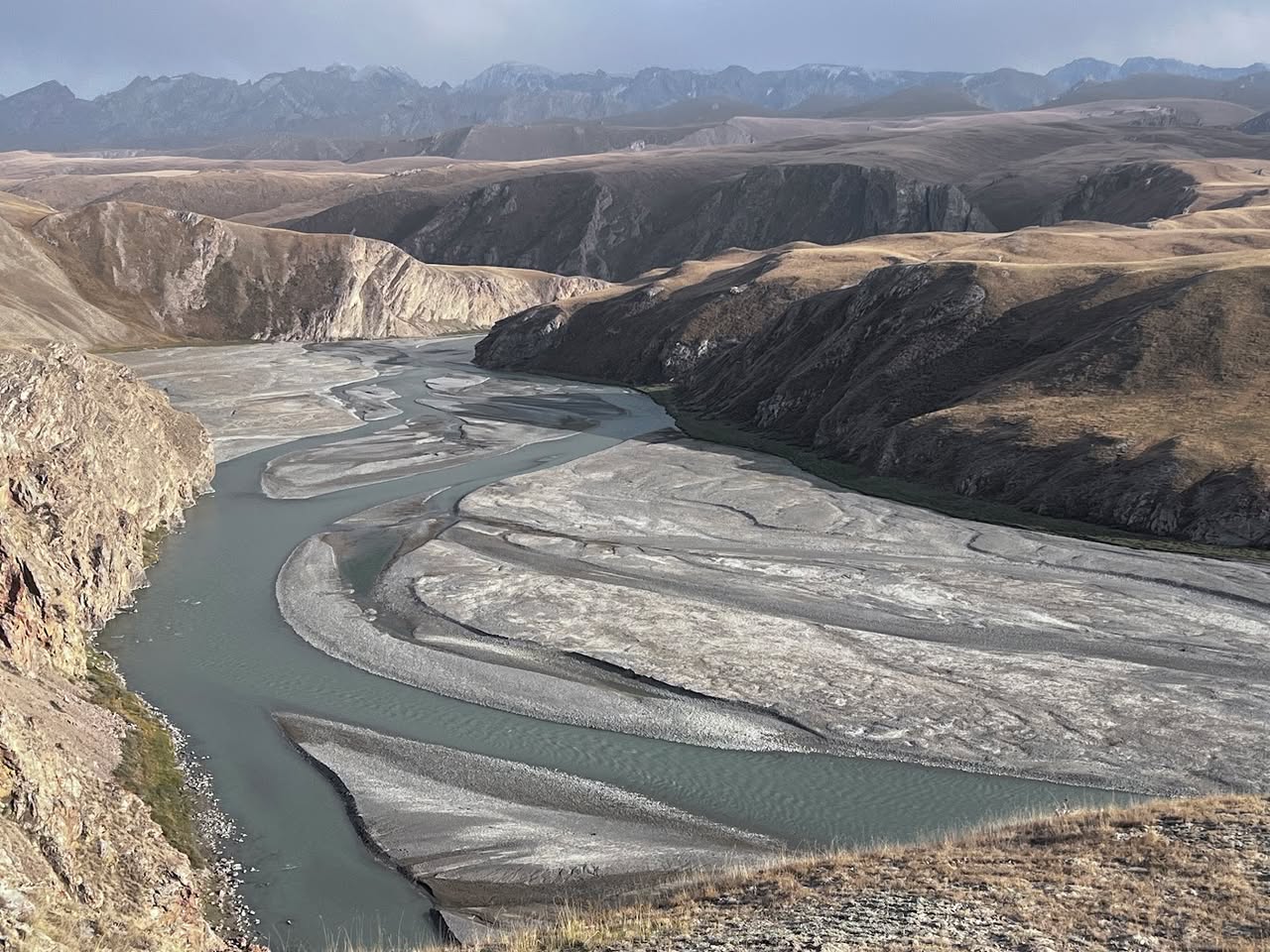
The Ak-Sai valley is Kyrgyzstan’s pole of cold — once recorded at minus fifty-six. With the Karatal-Japyryk reserve we have spent ten days installing climate-monitoring sensors at the lakes of Chatyr-Kul and Son-Kol and along the Ak-Sai river. The permafrost zone is the part of the Pan-Third Pole the climate models see least clearly.
2025-09-11 · Aziz Soltobaev · KG Labs Foundation
The world has the North Pole and the South Pole. It also has a Third Pole — the group of regions with extreme cryosphere conditions that play a defining role in the global climate system. Kyrgyzstan, Tajikistan, and parts of Kazakhstan sit inside what is called the Pan-Third Pole. Most of the high terrain that forms our piece of that system is in southern Naryn oblast, and inside southern Naryn the Ak-Sai valley is, with some justification, called the Kyrgyz pole of cold.
The valley sits between three thousand and four thousand metres above sea level. It contains some of the most striking lakes in the country — Chatyr-Kul (Chatyr-Köl), Kel-Tetiri (Kel-Suu), and a number of others that almost no tourist sees. Chatyr-Kul is unique even inside that company: it is the last stopover on the migration of bar-headed geese on their way over the Himalayas. The lowest air temperature ever recorded in Kyrgyzstan was registered here — minus fifty-six degrees Celsius. The average annual temperature is around minus five. The region is in the permafrost zone. In cold months the lakes of Chatyr-Kul and Kel-Suu are not just covered with ice — the water freezes to the bottom, twenty metres down.
This is the part of the Pan-Third Pole that ground-based climate observers have spent the least time inside. It is also the part where the consequences of warming are likely to be largest and least predictable.
Ten days
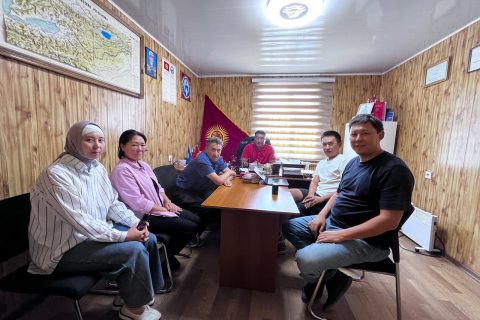
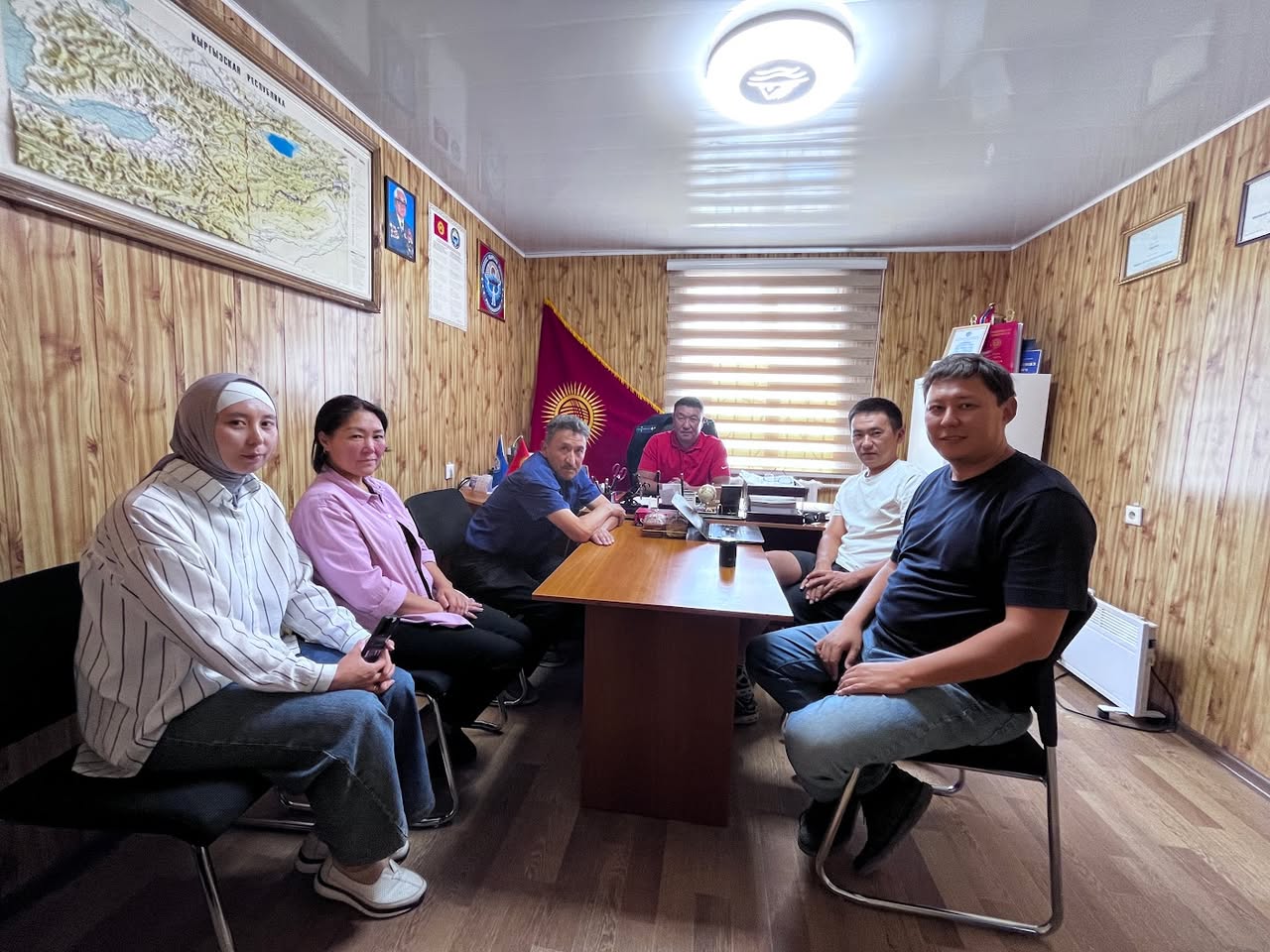
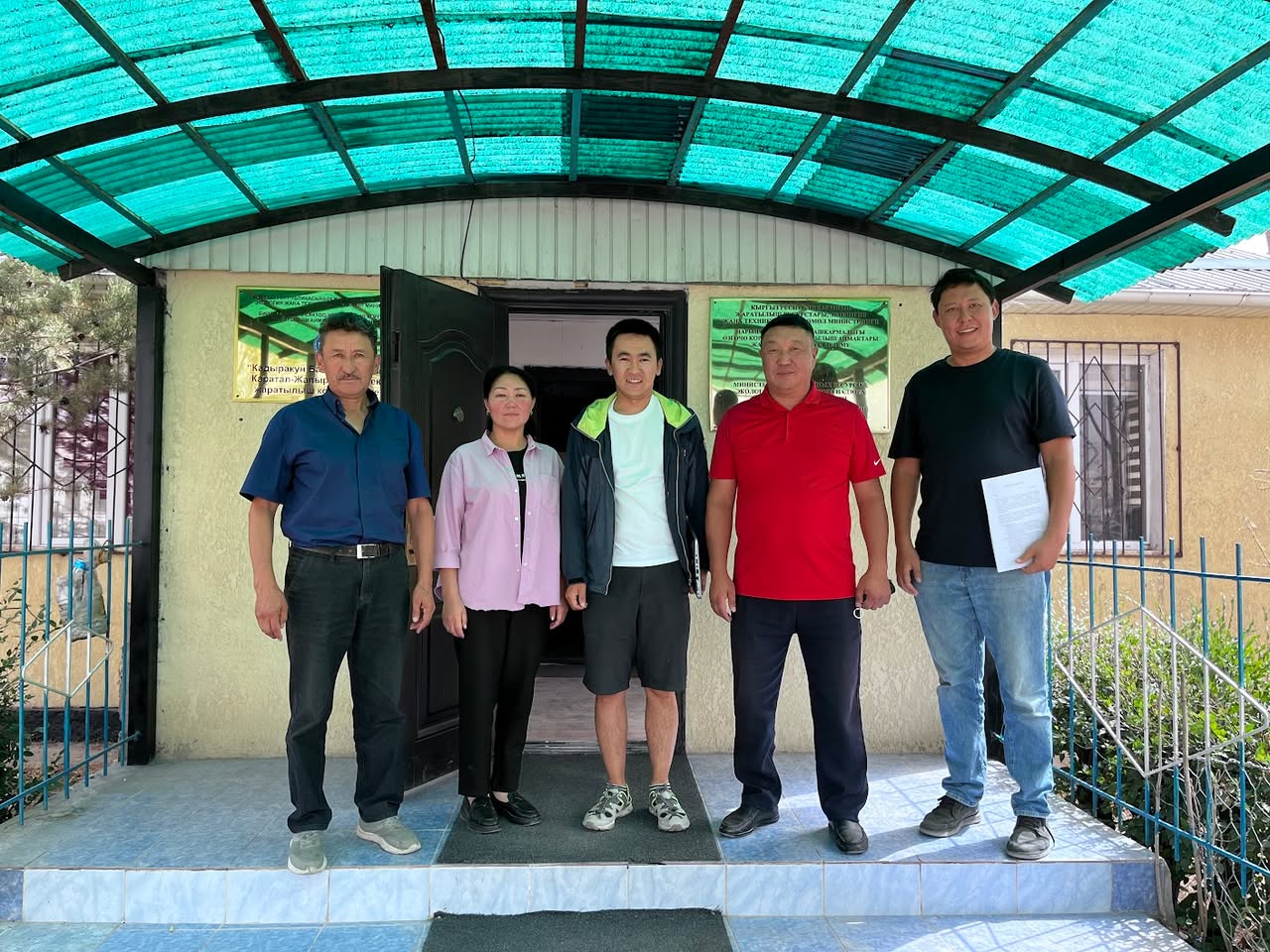
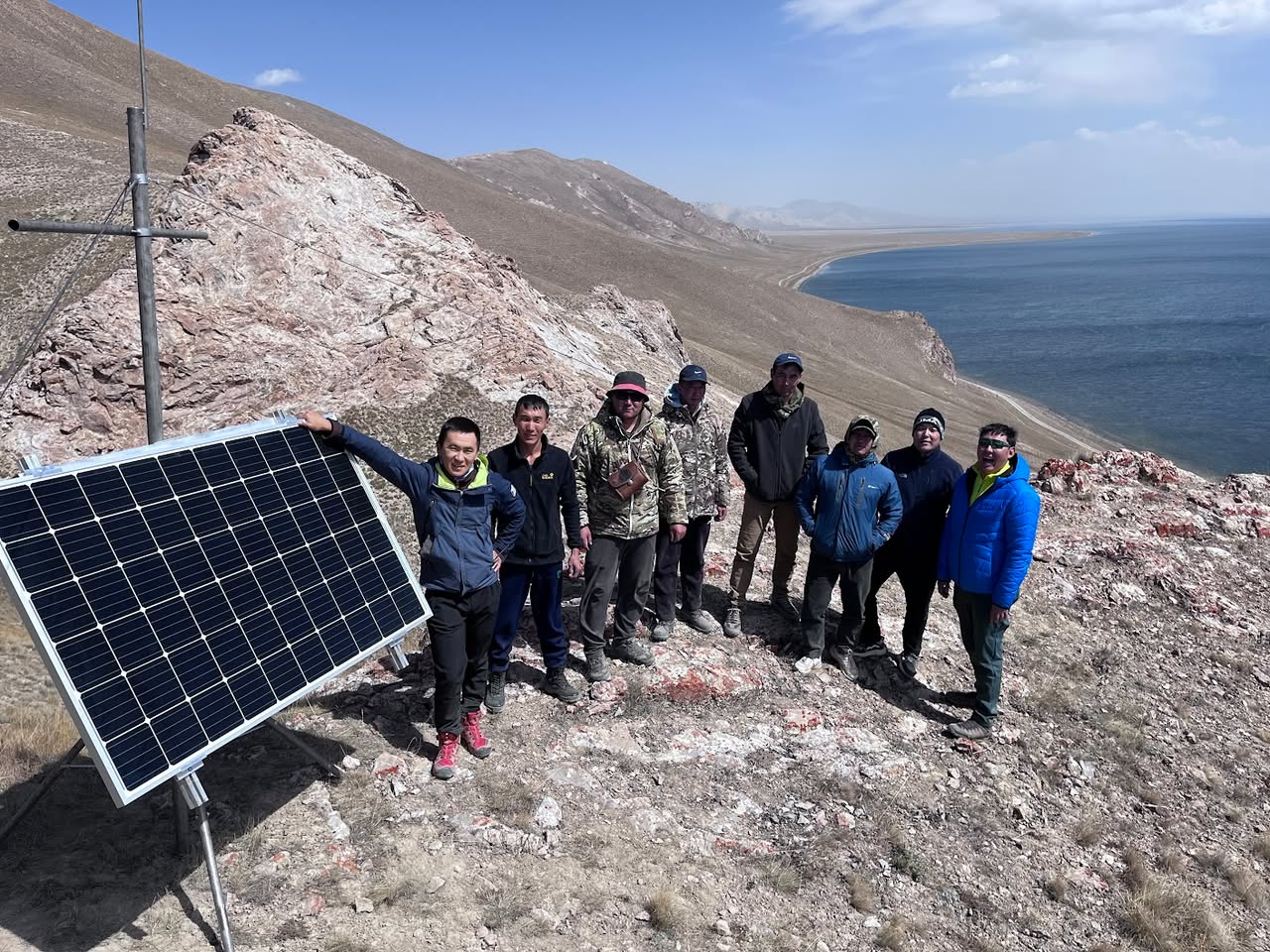
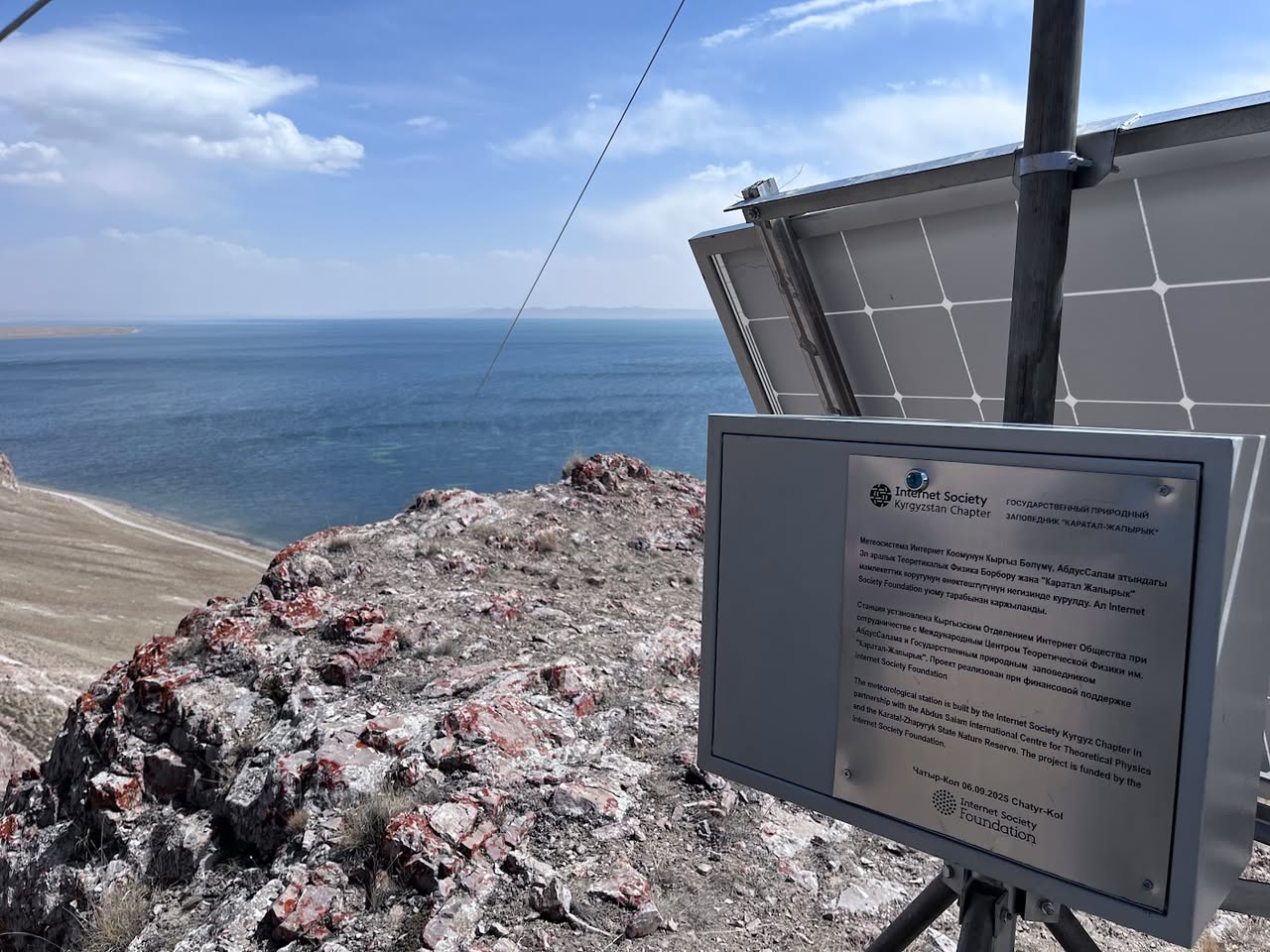
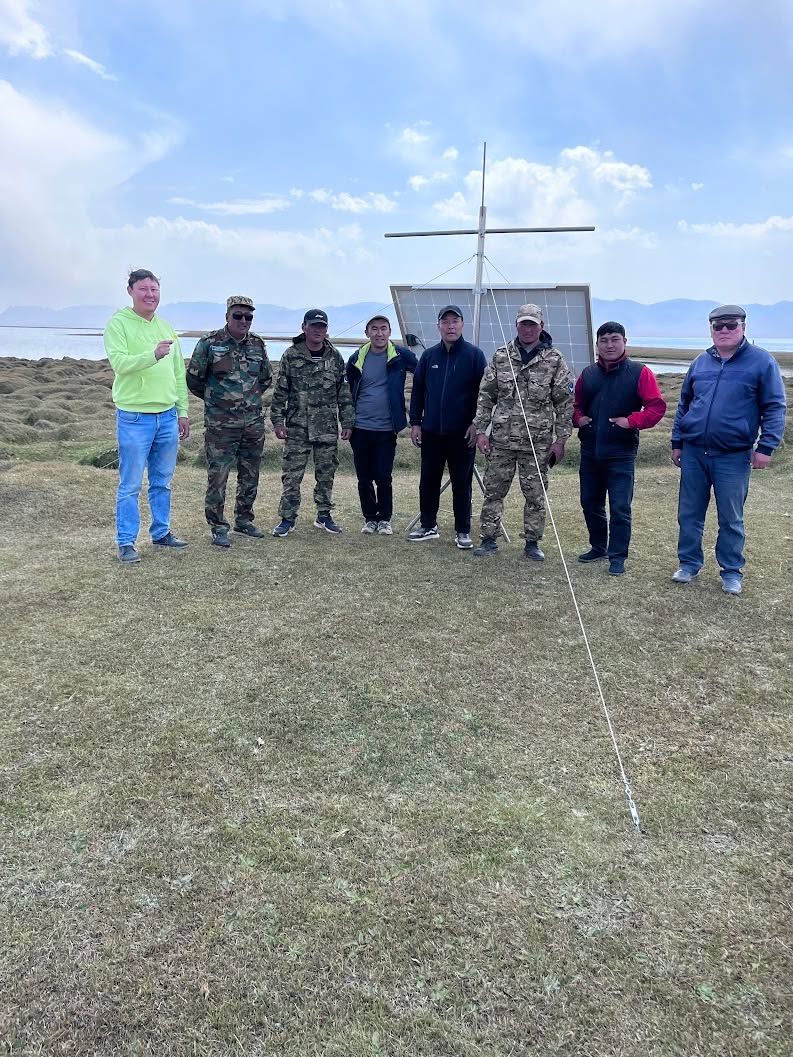
The last ten days we have been on the road across Naryn and Issyk-Kul oblasts, with daily altitude changes from one to two thousand metres. Working with the Karatal-Japyryk State Nature Reserve and the Central Asian Institute for Applied Geosciences (CAIAG), we have put down LoRaWAN data-transmission infrastructure and a climate-and-biodiversity monitoring system at four of the locations on our list.
After the memorandum was signed, the very next day we began installing the power systems and the sensors at the lake Chatyr-Kul, at the lake Son-Kol, along the Ak-Sai river, and — if conditions allow — at Kel-Suu.
The site list and altitudes are not random. Chatyr-Kul sits at 3,613 metres. Son-Kol at 3,016. Chatyr-Tash at 3,121. Sary-Chelek, the biosphere reserve from a separate installation earlier in the summer, sits much lower at 1,921. The four new locations — except Sary-Chelek — are inside the permafrost zone, the part of the Pan-Third Pole that meteorological sensors have observed least well not only in Kyrgyzstan but also across Nepal, the north of India, Tibet, Myanmar, Bhutan, and Tajikistan.
That under-observation is the gap we are now closing. With these installations, Kyrgyzstan can become the country with the widest ground-based observation grid for high-altitude permafrost in the region. Cryosphere change does not wait for the procurement cycle of the national meteorological service. Putting low-cost, second-tier instruments next to it is how that observation grid gets built in time.
What the scientists get
The deployment gives scientists permanent observation of the meteorological parameters of the air and the soil, of the subsurface ice, and of the bird and animal life via photo-traps installed alongside the climate sensors. The dashboard architecture lets the data be queried by the reserve’s biologists and by external researchers without anyone having to make the climb back up to retrieve a USB stick.
For us — Internet Society Kyrgyz Chapter, paired with KG Labs Public Foundation for the AI and edge-intelligence side — there is a parallel question being answered. We are also testing the viability of our communications and low-budget telemetry kit, and of the full integrated solution, in permafrost conditions. Components that work at one thousand metres can fail at three thousand. Cold breaks batteries. Wind shifts sensors. Ice cycles tear cables. The installation is a piece of climate observation; it is also a piece of hardware reliability testing in the toughest environment the country offers.
What the journey is like, briefly
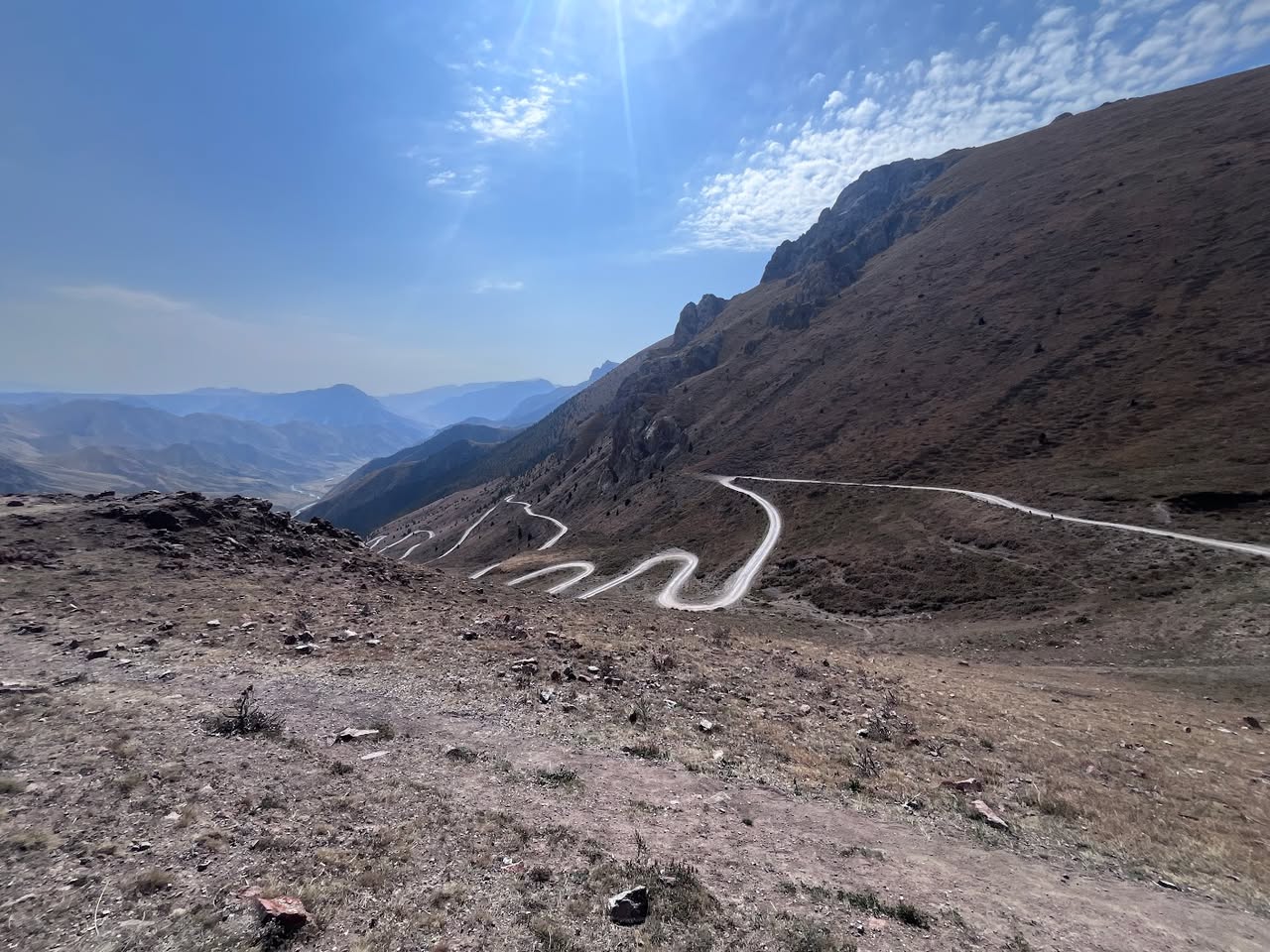
Ak-Sai is full off-road. There was not a single day on the route when the vehicle did not get stuck somewhere. That is not a complaint — it is the condition under which any installation here happens. The reserve team has practical knowledge of which crossings hold and which do not, of which sections of road become impassable in the first cold snap of autumn. Working with them is the entire reason this kind of deployment is possible.
We crossed rivers on foot more than once. We almost met a bear on a section called Kara-Batkak. Both of those facts belong inside the install record because they shape the schedule and the equipment list.
Where the data is live
A subset of the parameters is on our dashboard:
https://dashboard.isoc.kg/d/rum1F-uVz/meteodashbord?orgId=3&refresh=1d
The Karatal-Japyryk reserve administration and the academic sector have access to the rest by request. We are extending the reach in October — three more high-altitude locations, each above three thousand metres, before the season closes.
The hashtags I want to keep
#permafrostmonitoring #cryosphere #MountainClimateData #HighMountainClimate #ВечнаяМерзлота #КлиматГор #Криосфера