
Digital Tourism · Sanarip Insan · Sary-Chelek
One in five Sanarip Insan trainees in Sary-Chelek launched a hospitality business. The bottleneck was not digital skills — it was that their villages did not exist on Google Maps, so listings on Booking.com and Airbnb were rejected by the platforms before they could be seen.
2024-07-15 · Aziz Soltobaev · KG Labs Foundation
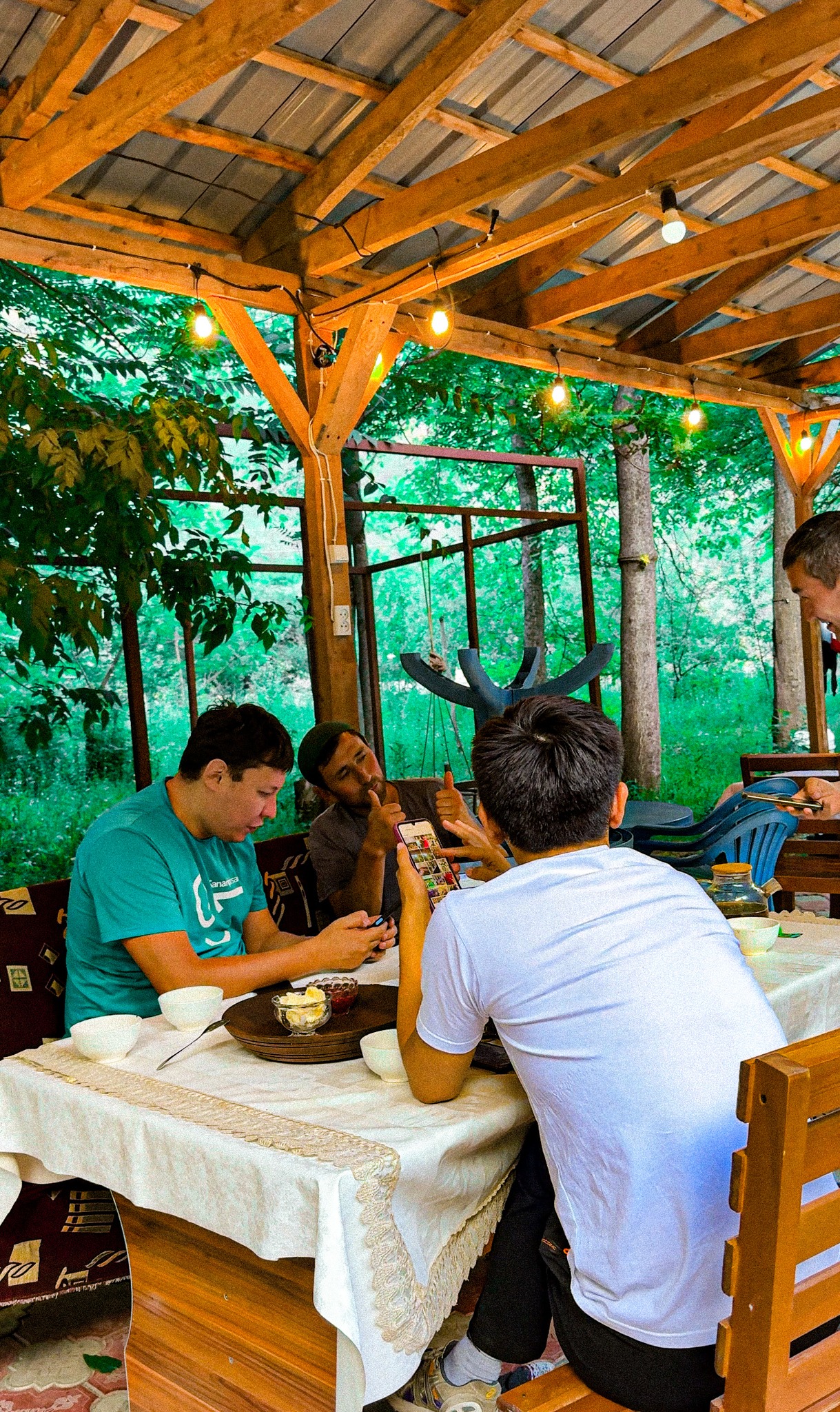
In the middle of July 2024, I spent days inside the Sary-Chelek biosphere reserve as part of the digital-tourism training track of the Sanarip Insan project. The training cohort that month was the practical answer to a question we had been asking through the project’s first year: what does digital-skills work actually produce in rural Kyrgyzstan when you measure it against the question «did the trainee earn money they would not otherwise have earned?»
The answer, by July 2024, was that one in every five trainees had launched their own hospitality business during or after the training. Not «had thought about it.» Had launched it.
What the training was actually solving
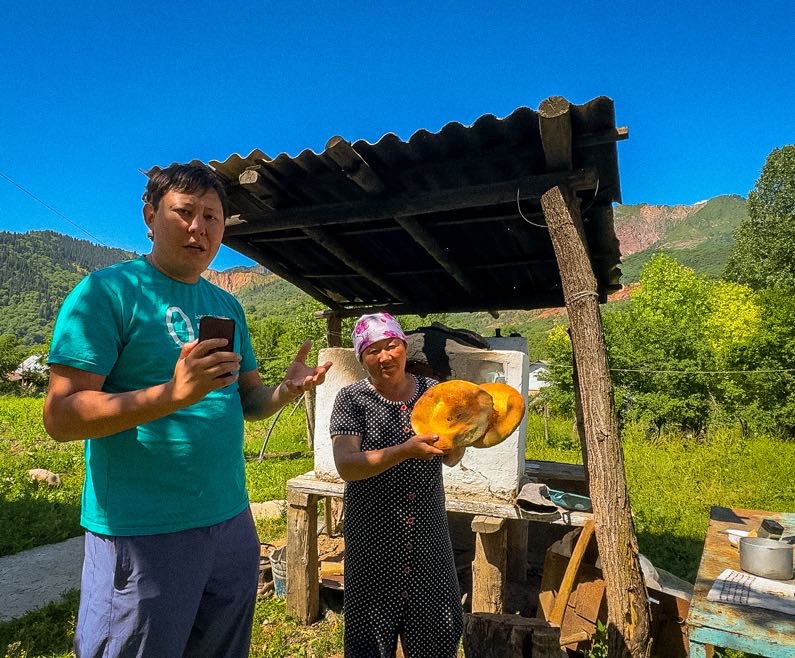
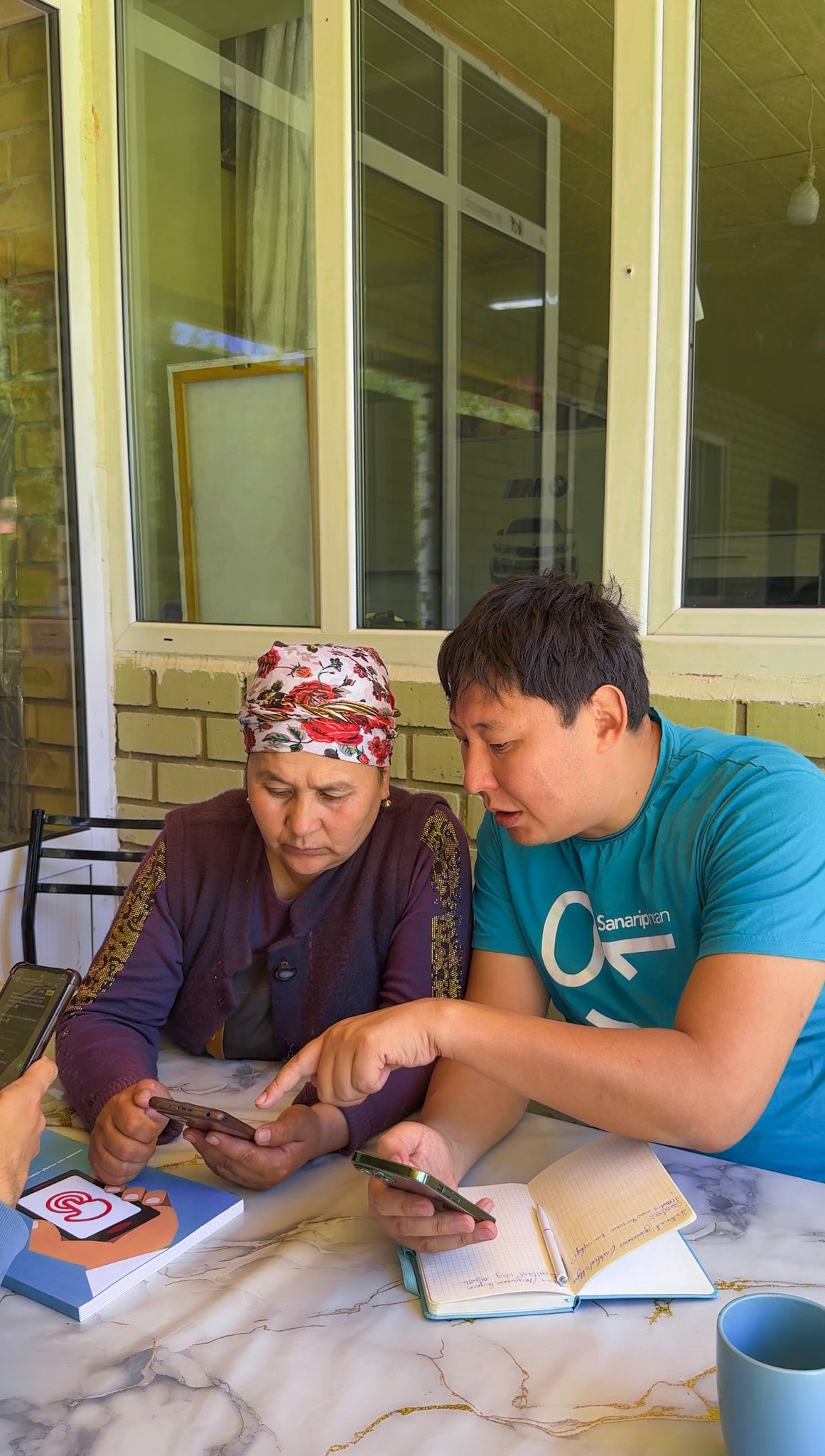
The video of the training shows me explaining digital-presence work — the kind of detail that does not make a news bulletin but moves the needle for an individual host. Booking.com listing structure. Airbnb verification. How to respond to a tourist’s enquiry in the four hours that matter most. How to use a Google account to receive payment notifications. How to take photos that survive the platform’s image compression and still show the host’s actual house.
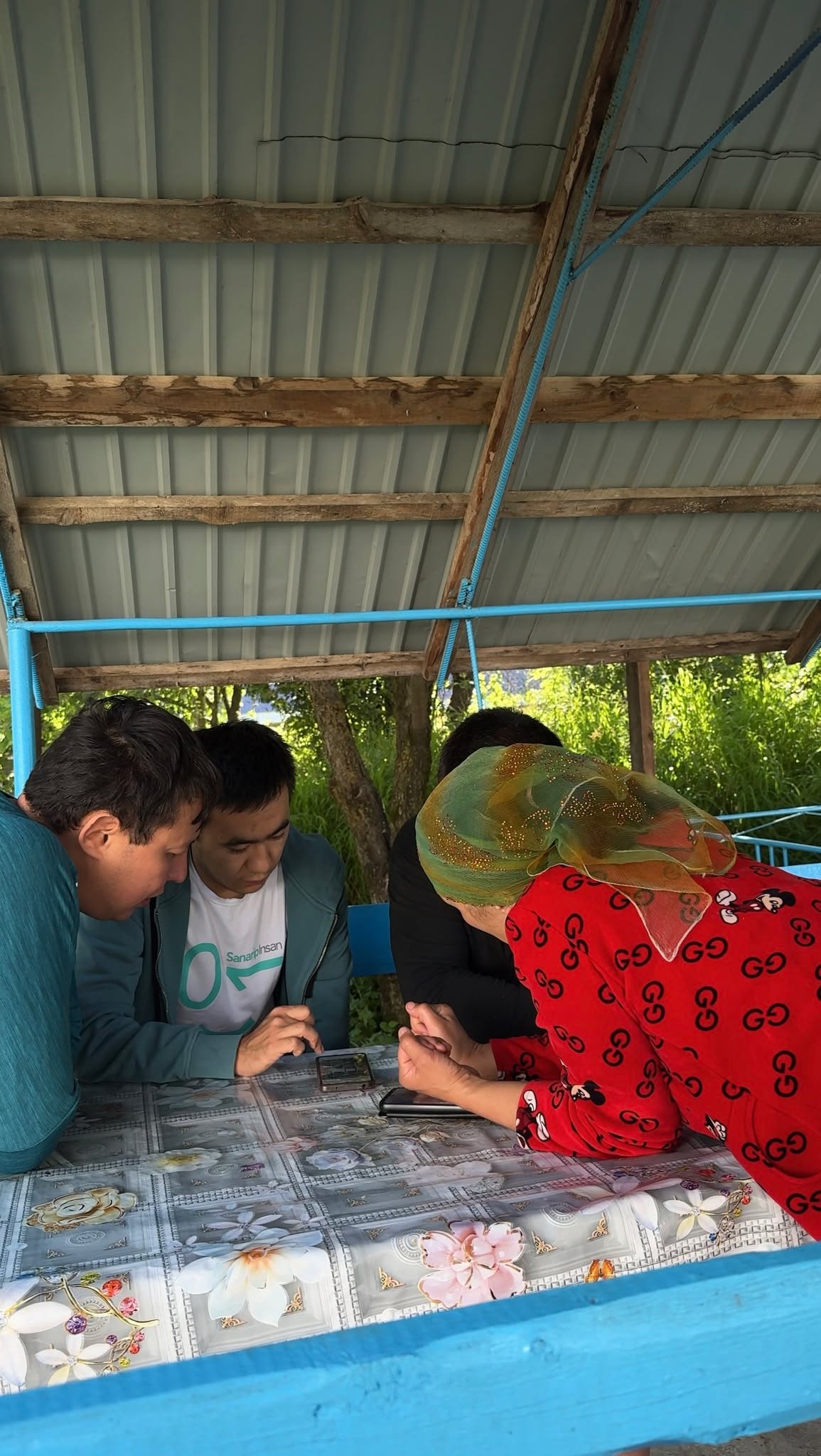
We spent many hours with project beneficiaries and new community members on what their digital presence should look like, on how to improve their online listings, on how to talk to international tourists in their own home, and on how to promote themselves in organic ways that do not require buying ads from platforms whose algorithms they cannot influence.
The bottleneck that was not in the curriculum
The honest discovery of the July training was that the curriculum we had built — focused on digital skills, listing optimisation, customer communication — was solving the wrong problem for a meaningful fraction of the cohort.
The real bottleneck was geographic. Many of the participants’ homes did not appear on Google Maps. When a participant tried to register a guesthouse on Booking.com or Airbnb, the platform’s verification step required a precise location. The location pin would land on an empty white space on the map — no road, no village, no address. The platform’s anti-fraud system would interpret that as a low-quality listing and either reject it outright or rank it so low in search that no traveller would ever see it.
This is not a digital-skills problem. It is a geospatial-data infrastructure problem. The reason villages in Aksy, Naryn, Batken oblasts are missing from Google Maps is the same reason their economic listings are invisible: the foundational geo-data layer in Kyrgyzstan has not been built out beyond the major roads and the major urban centres. Underlying infrastructure that more developed economies treat as a utility — every house is on the map, every settlement has a postal code that resolves, every road segment has a name — is partial here. The platforms built on top of that infrastructure inherit the gaps.
What that meant for the cohort, practically, is that we spent a meaningful chunk of training hours on workarounds. How to register at a nearby village’s address that does appear on the map. How to argue with a Booking.com verification team via email. How to use an open mapping tool to add a village to the public record. How to use the GPS coordinates from a phone to override a missing address in a listing form. Workarounds, all of them, for a problem that should not need a workaround.
This is why infrastructure work — the kind of thing that does not make a Demo Day stage — actually determines whether digital-economy growth happens in rural Kyrgyzstan. The Sanarip Insan participants who launched hospitality businesses did so despite, not because of, the geospatial layer they had to operate inside.

What the Russian video did
The training was recorded and translated for Russian-language video distribution through the Sanarip Insan media partner channels. That extended the reach of the training material to audiences far beyond the in-person cohort — the same amplification dynamic I have written about in Sanarip Insan, 30 months in: I was wrong about which numbers mattered.
The Russian video specifically covered the digital-tourism content. Hosts and guesthouse owners in Naryn, Talas, Aksy, and Issyk-Kul oblasts who could not attend the in-person training in Sary-Chelek watched the content asynchronously and applied it. The training, in that sense, was reproducible at near-zero marginal cost once the in-person delivery had been recorded.
What this means for the next round of work
The bigger lesson from this training cycle — the one I am still arguing for inside the policy conversations on digital transformation in Kyrgyzstan — is that the next round of digital-skills funding should not be only about the skills. It should also be about the geospatial-data and address-resolution infrastructure that the skills need to operate inside. Without that, every digital-skills cohort in rural Kyrgyzstan keeps hitting the same wall, and a fraction of the cohort that should have launched businesses does not, because their village is invisible to the platform they are trying to register with.
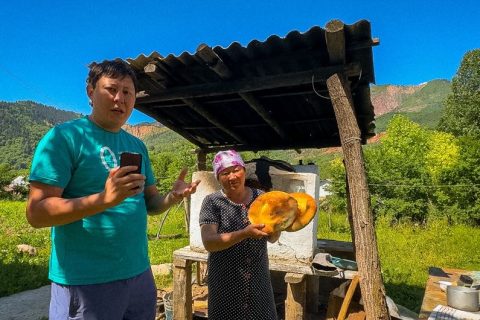
That is the structural argument. The witness-voice version of it is simpler: the woman in the photograph above is now running a guesthouse. The platforms could not find her village. We helped her work around that. The next thousand women should not have to.