Climate · Sary-Chelek · Biosphere Reserve
A Potsdam-funded station ran in Sary-Chelek from 2013 to 2023, then went silent. In two days last week we replaced it with a low-cost sensor pack and a dashboard the reserve can use in any season.
2025-07-28 · Aziz Soltobaev · KG Labs Foundation
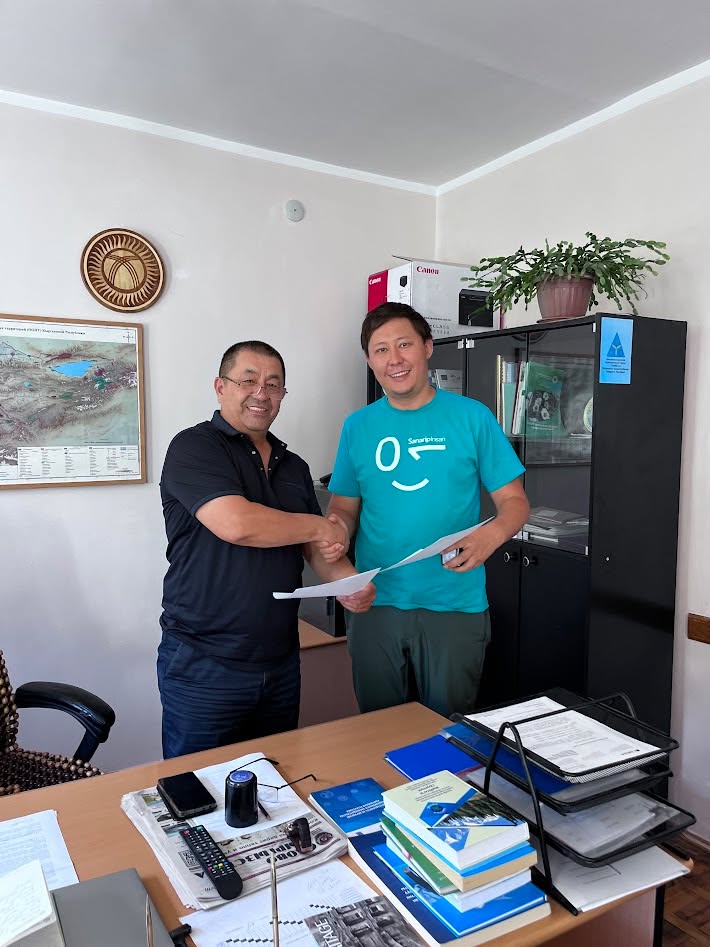
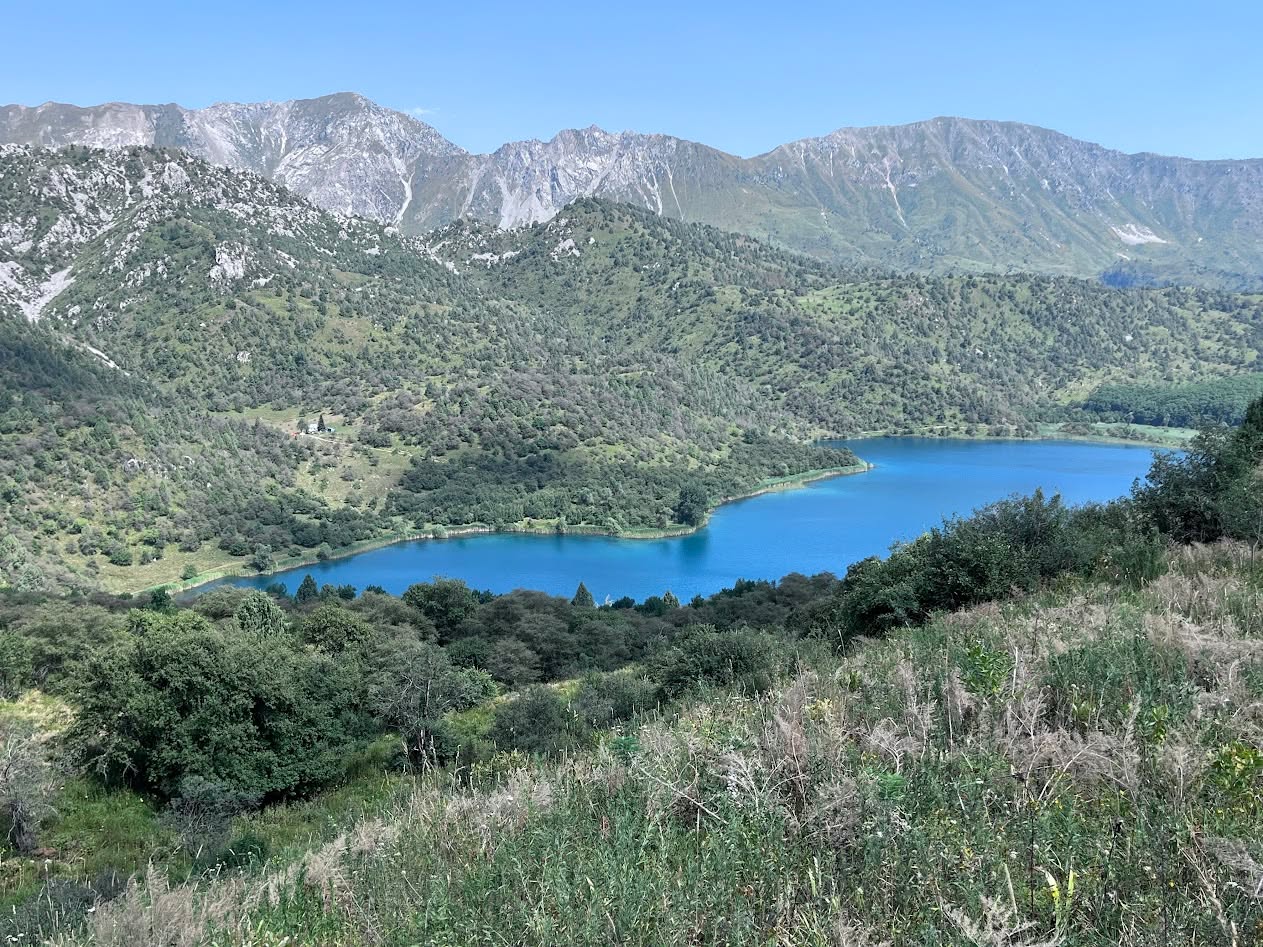
Sary-Chelek is the kind of place that gives you energy for a year. The biosphere reserve sits in the Aksy district of Jalal-Abad oblast, a high lake-and-forest landscape that the late-Soviet generation of natural scientists treated as one of the most valuable observation grounds in Central Asia. Last week we signed a memorandum with the reserve’s management and, in two days, brought their climate monitoring back online.
I want to write this one from the inside, because the story is not the new equipment. The story is what happens to a working scientific instrument when the project that funded it ends.
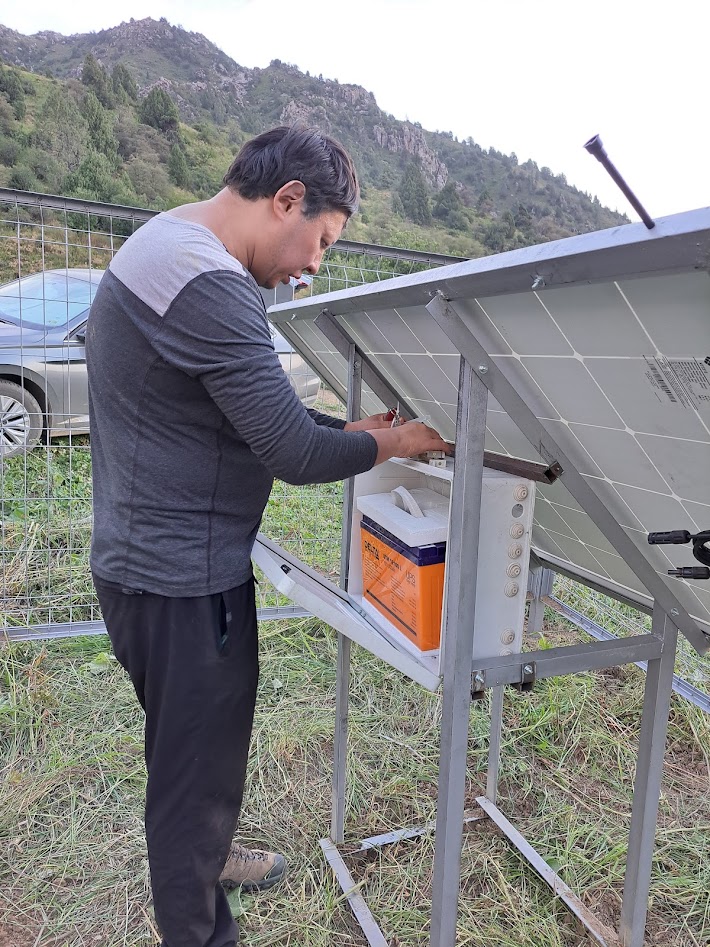
The station that fell silent
From 2013, a meteorological station funded by the Helmholtz Centre Potsdam — the GFZ German Research Centre for Geosciences — operated on the territory of the Sary-Chelek reserve. It ran for ten years, generating a continuous time series that any researcher working on the cryosphere or hydrology of the western Tien Shan would have wanted to draw from. In 2023, the project ended. The station did not stop because it broke. It stopped because the institutional arrangement that maintained it stopped.
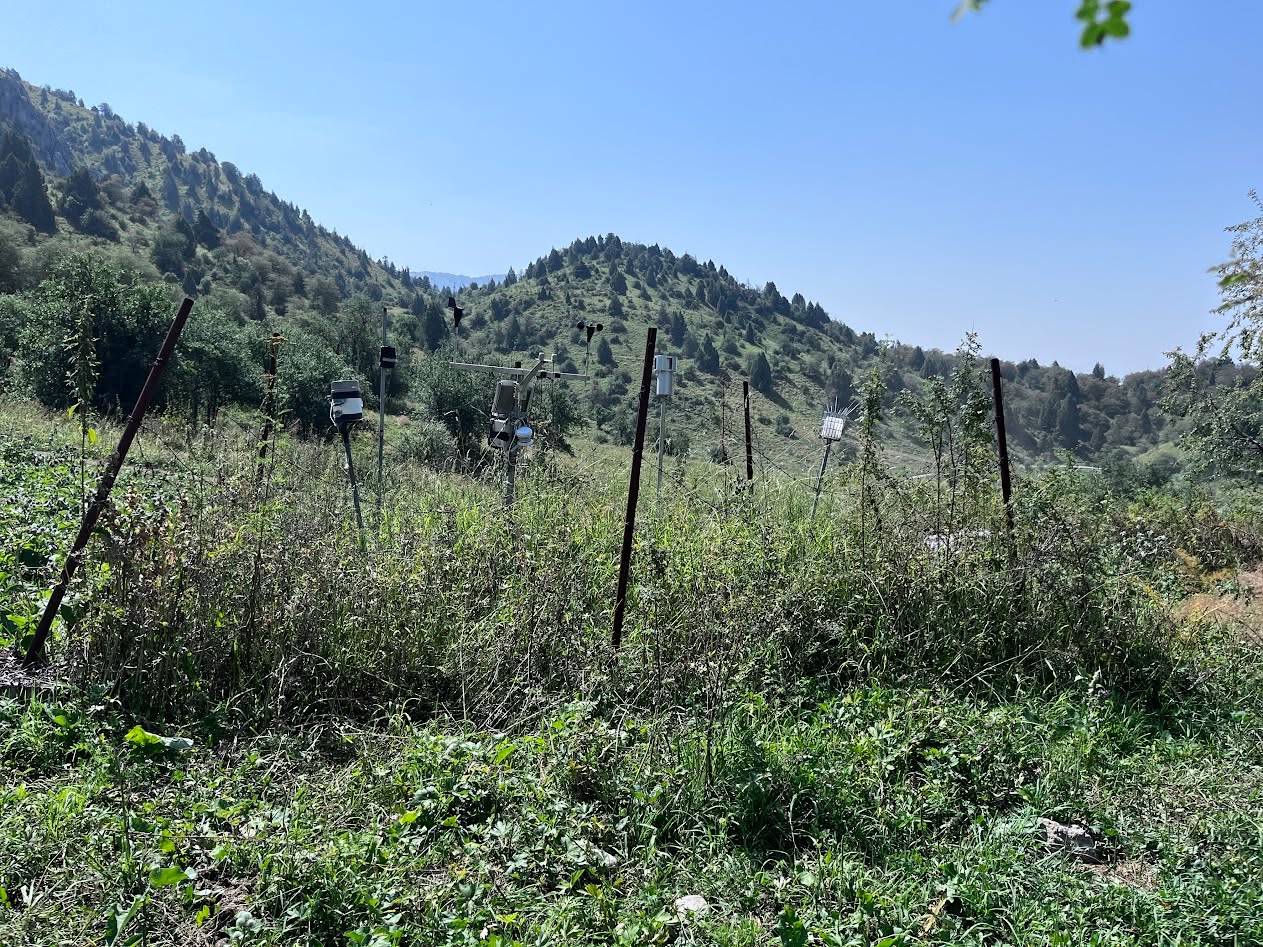
I went up to look at it before we proposed the replacement. The instrument was still standing. It was no longer transmitting. The fence around it had not been kept up; small things had loosened; nobody was budgeted to make the climb to fix them. This is what an abandoned scientific instrument looks like a year or two after its project closes. It is not dramatic. It just stops.
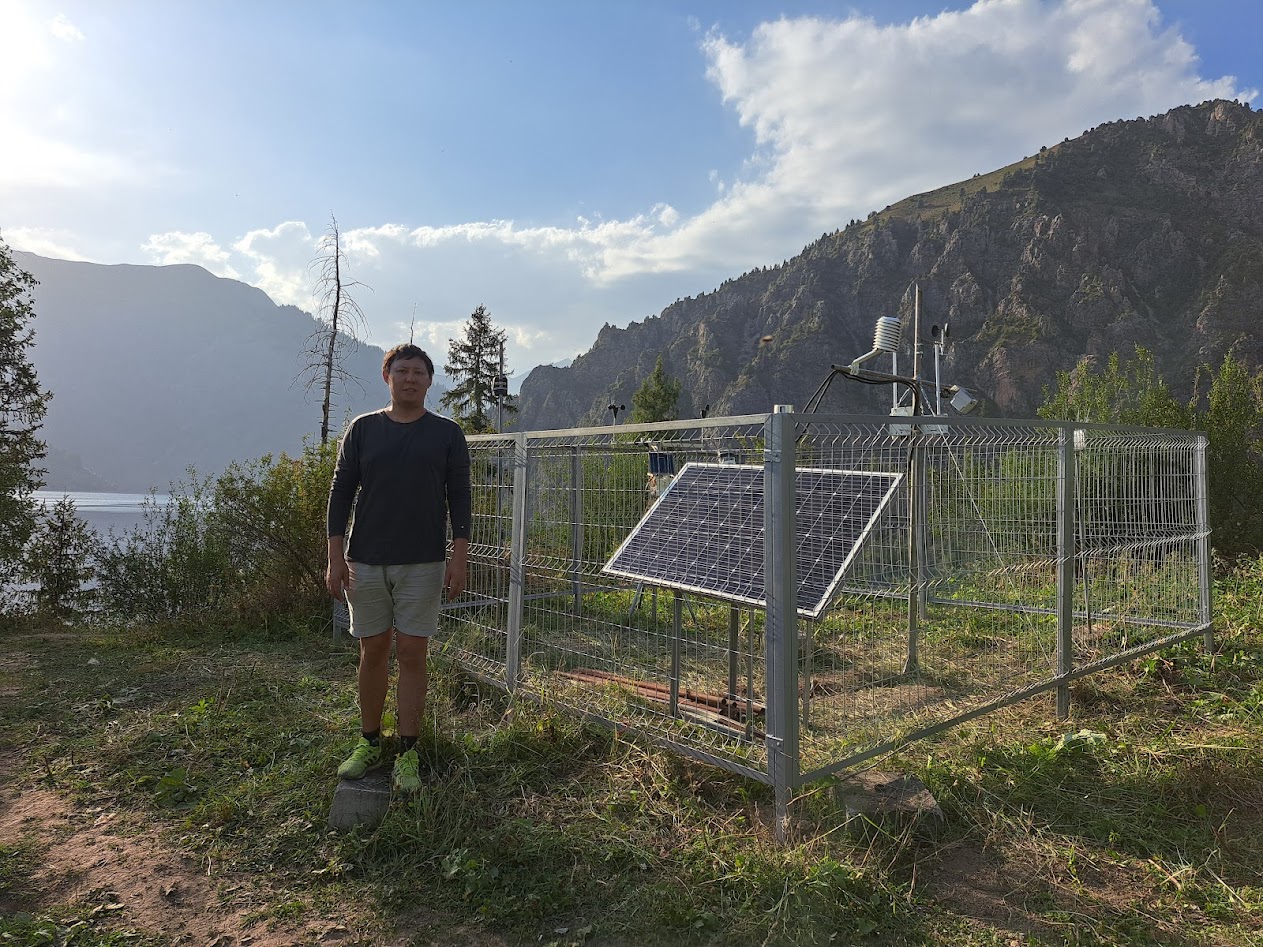
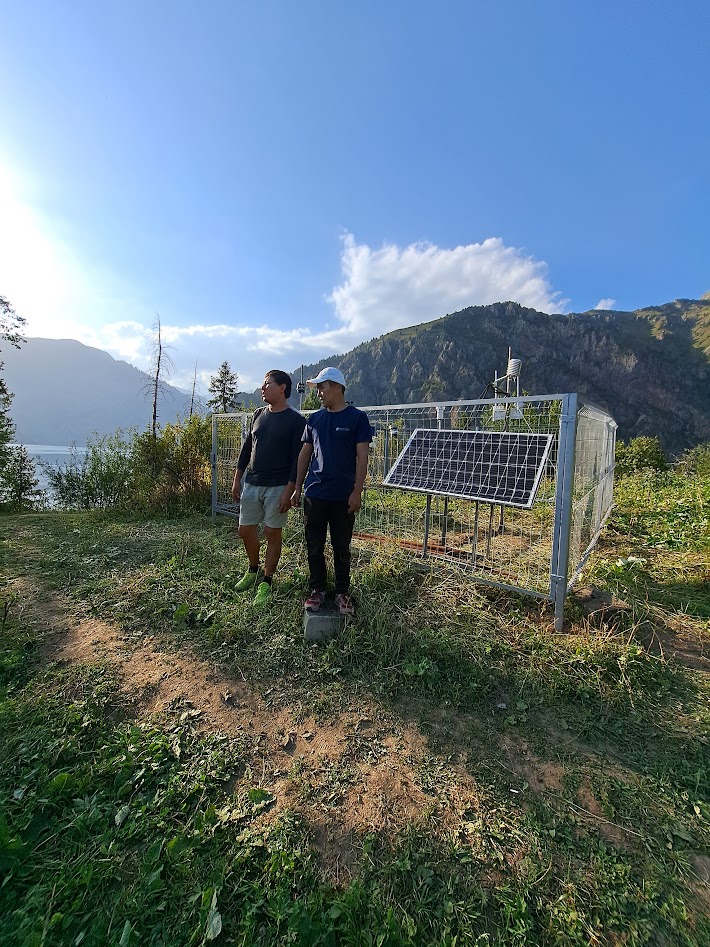
What we installed in two days
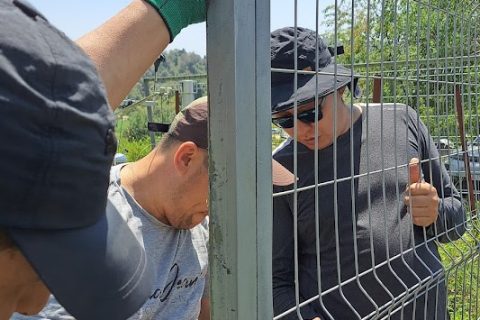
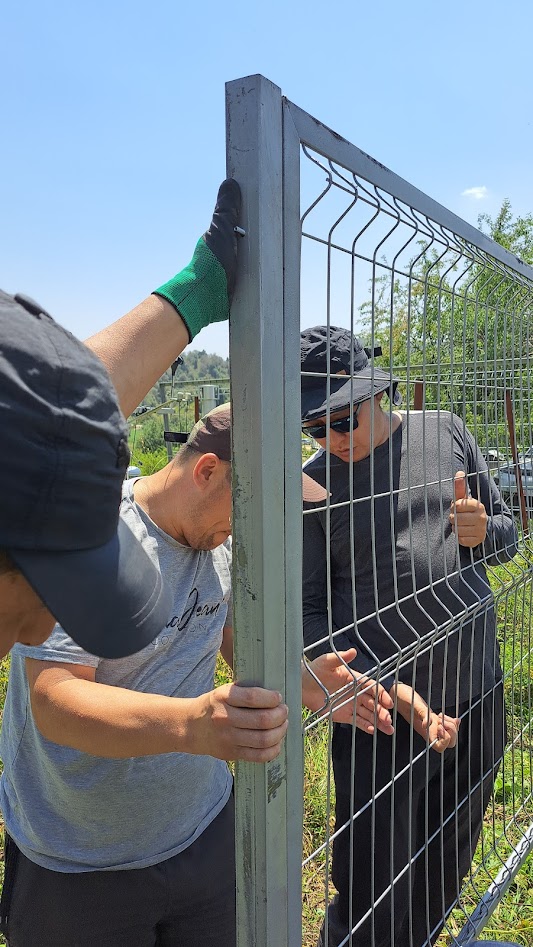
For the new deployment, we fenced the site, installed a current-generation set of meteorological sensors, ran the data through a LoRaWAN gateway, and stood up a dashboard so that the data flows continuously to a server visible to the reserve’s staff and to any researcher who asks for access. Some of the live readings are public at https://dashboard.isoc.kg/d/det0e94rvnaioc/sary-chelek?orgId=3. The rest are available to the reserve management and to the academic sector on request.
The cost structure is the part to dwell on. A complete sensor pack of the type we deployed — gateway, sensors, mast, supporting hardware — sits at one to three thousand US dollars. The instrument it replaces, in current procurement language, is a station in the range of twenty-five to eighty thousand US dollars. The order-of-magnitude gap is not a discount. It is what twenty years of low-power radio, sensor manufacturing, and distributed data architecture have done to the underlying components.
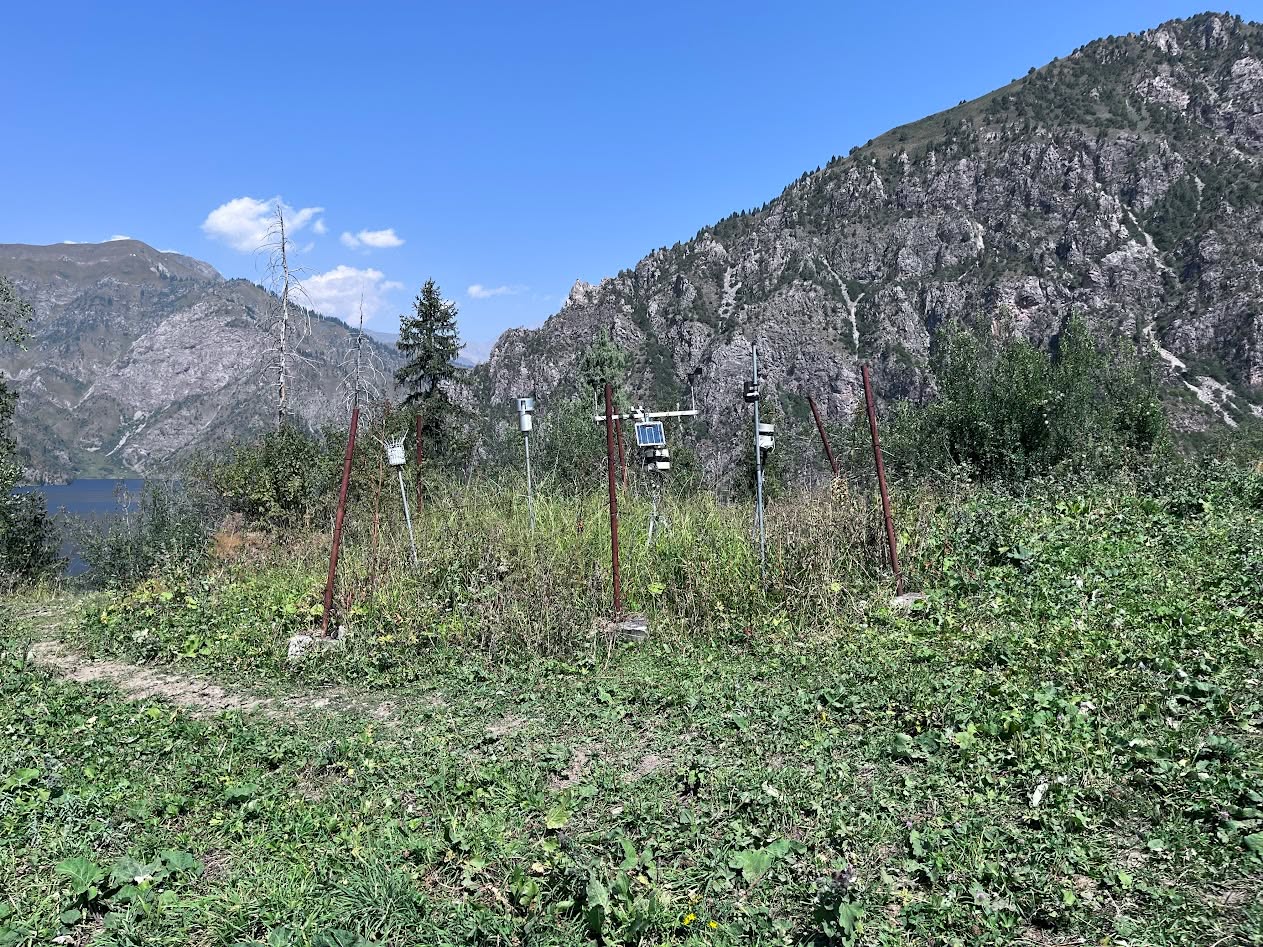
The communications detour
We initially relied on the news that MEGA Telecom had installed a communications gateway in the area and that connectivity would be available twenty-four hours a day, year-round. It turned out to be a seasonal installation, with uplink and downlink that depend in large part on Starlink. On one of our second-day evenings, after six in the evening, the signal dropped. We sat down, reworked the communications architecture, installed additional links the next morning, and brought the data path back up — so that the dashboard is fed continuously regardless of which upstream link is currently carrying the traffic.
This is one of those things that does not appear in the technical specification but determines whether the station you just installed produces data next February. The decision-making is shared with the reserve management, who know the seasonality of every road and every line of sight better than any external engineer ever will.
What is going on top of the weather station
I want to be plain that this is not only a meteorological project. Through KG Labs Public Foundation, we are layering additional capabilities onto the Sary-Chelek deployment: an acoustic system for recognising birds and insects, automated photo-traps that use edge machine learning to identify the species in the frame, and a measurement of the effect of climate change on plant photosynthesis inside the biosphere zone. The reserve becomes an open-air laboratory whose data is available to climatologists, phenologists, ornithologists, and biologists at distance — without the cost of putting a researcher in the field for every observation.
We are inviting collaborators from those disciplines and from adjacent ones to work with us. Sary-Chelek is one of the places where a remote, low-cost, high-frequency observation system makes the most difference to what we can know about how a specific landscape is changing.