
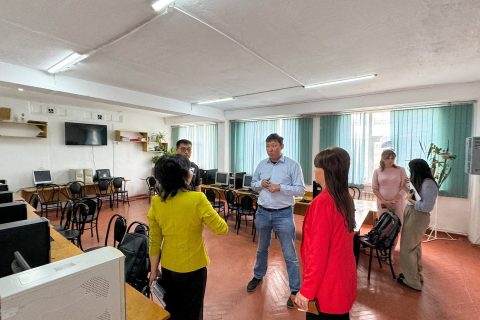
DPI · Education Ministry · Karakol
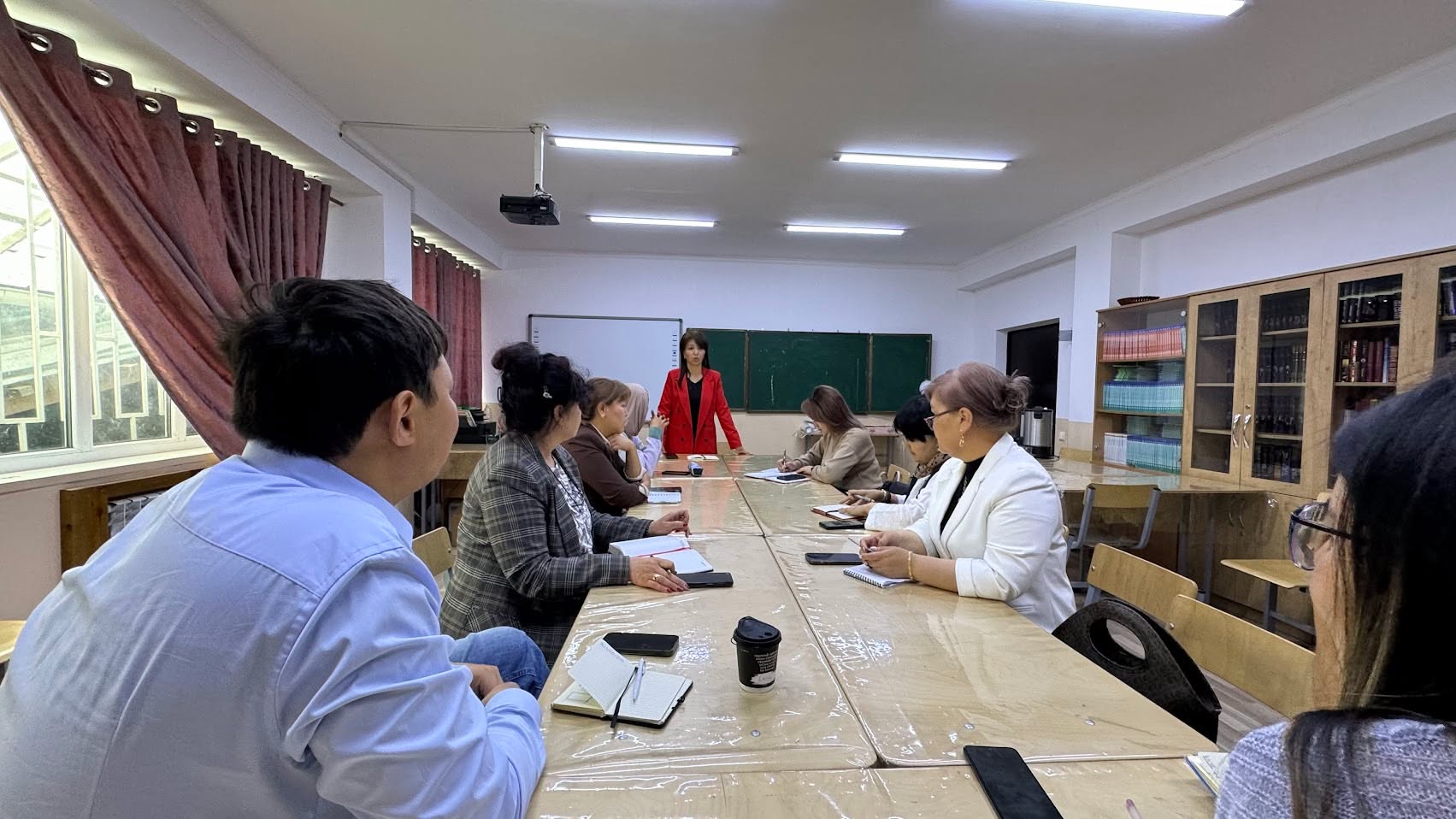
Through KG Labs we ran focus groups in Karakol and Kichi-Jargylchak on how the digital public infrastructure of the Ministry of Education and Sciences is actually used. The further a family lives from a regional centre, the more value those services hold.
2024-07-23 · Aziz Soltobaev · KG Labs Foundation
Kyrgyzstan is in a stage of digital transformation where the moment calls for the introduction of the newest technological advances — artificial intelligence, edge computing, Platform-as-a-Service — but the reality on the ground asks for attention to other, more practical questions about digitisation first.
For an ordinary Kyrgyz citizen, the use of digital documents — driver’s licence, ID card, birth certificate — to present on demand is already routine. More than 150 government services are available online. Electronic signing of documents is gaining ground. The further a citizen lives from a regional administrative centre, the more valuable these services become: time and money are saved, because the service can be obtained over the internet rather than after a day’s travel to a queue.
This is what is known in the literature as the “digital dividend” — the practical benefit of digitisation.
What we were doing in Karakol
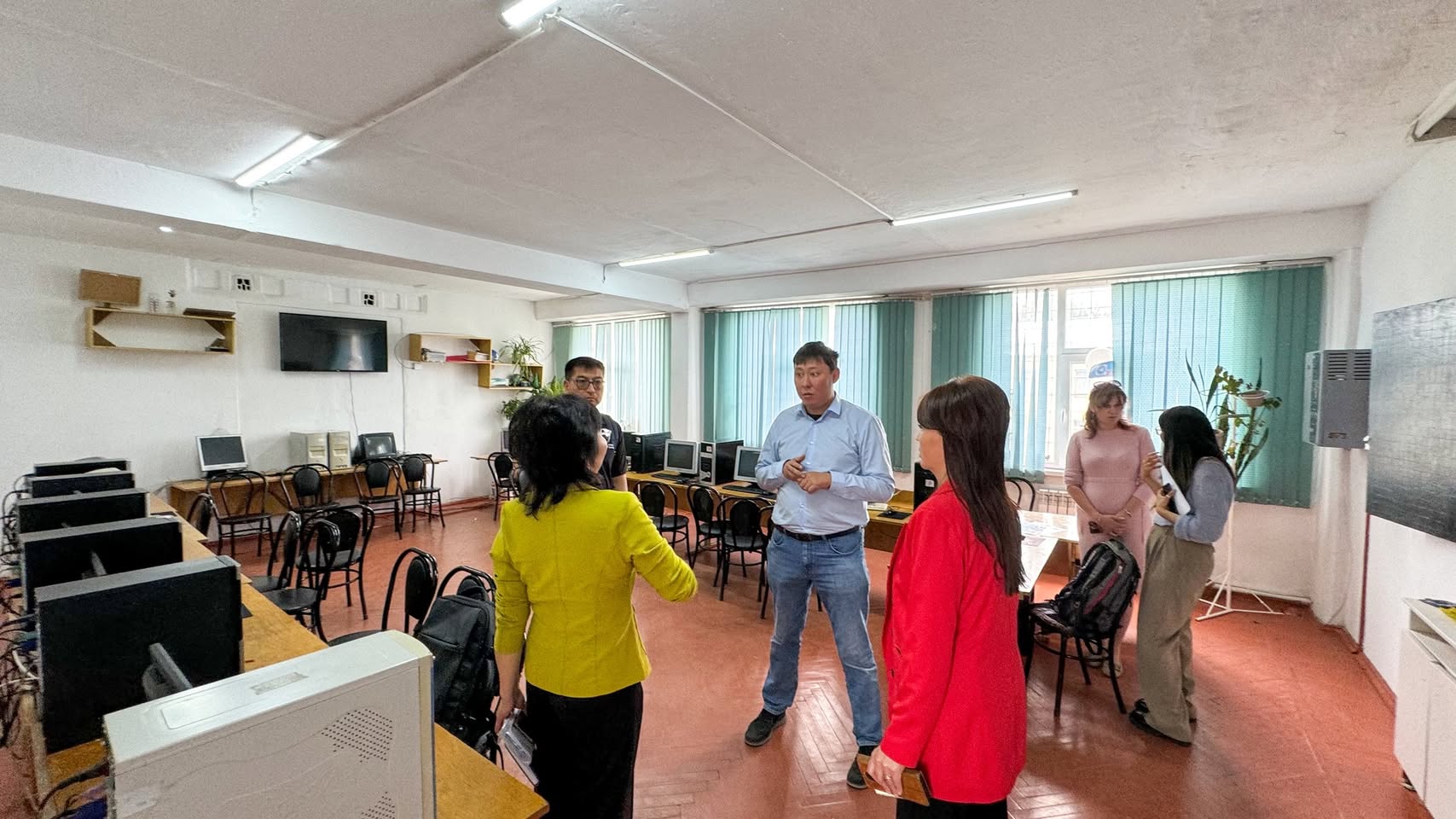
KG Labs Public Foundation has been working on a rapid assessment of the digital public infrastructure of the Ministry of Education and Sciences of the Kyrgyz Republic. The assessment uses a structured set of metrics — drawn from the GovStack framework and the Digital Public Goods Alliance methodology — to evaluate the foundational blocks: identity, payments, data exchange, consent, and the services built on top of them.
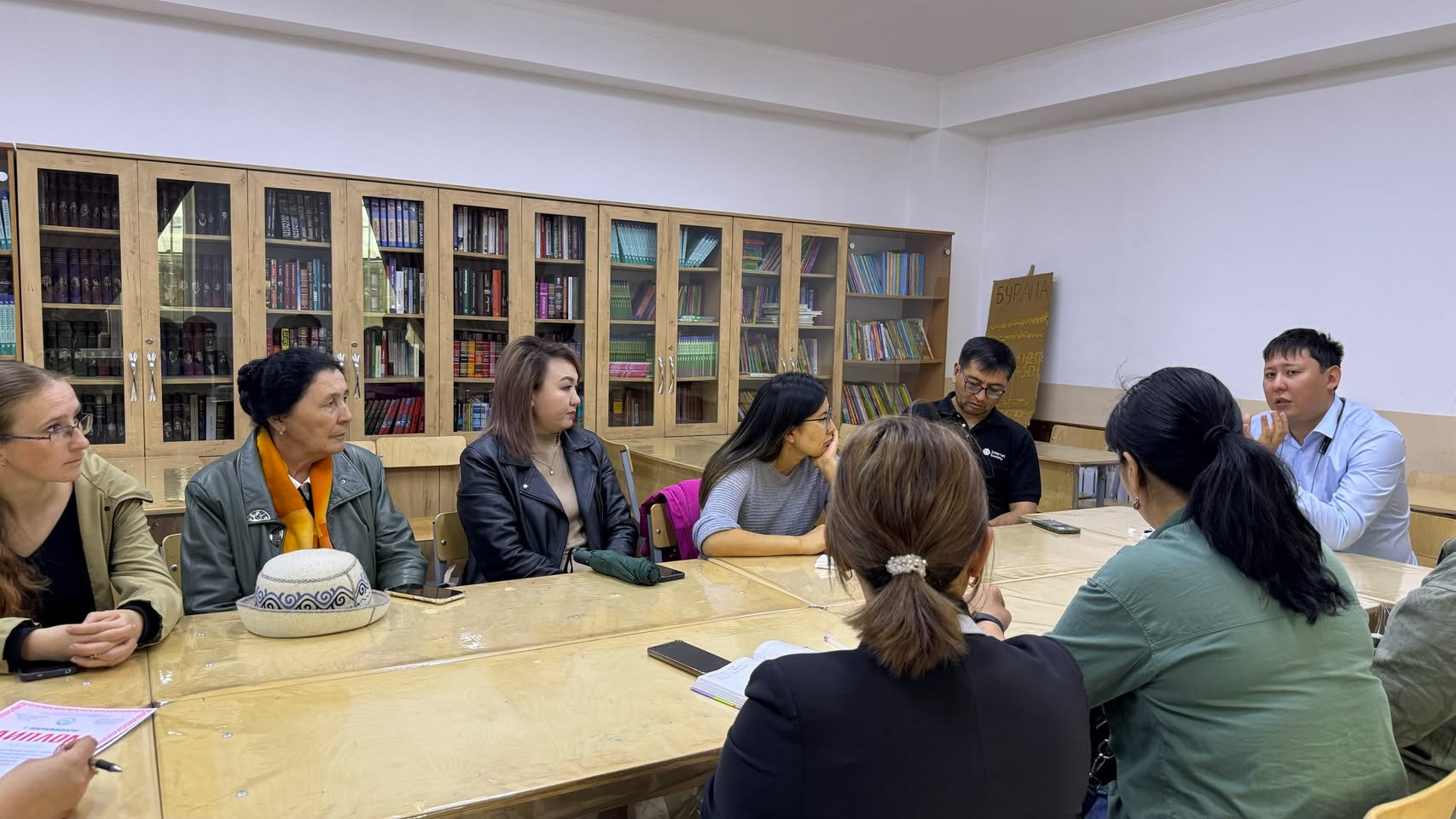
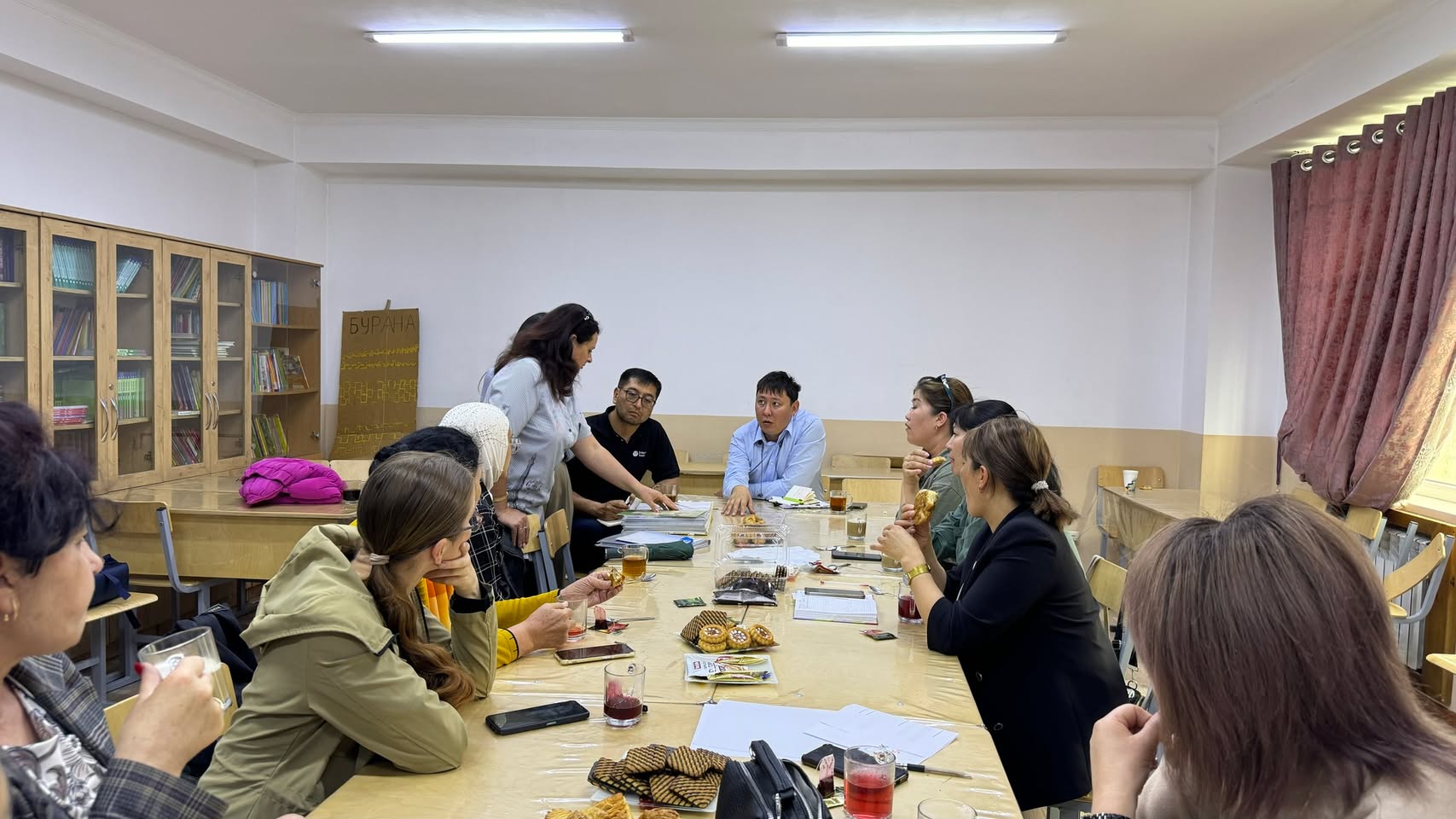
The metrics are necessary. The metrics are not sufficient. To understand what the infrastructure does for households, you have to sit with households. That is why we spent the week in Issyk-Kul oblast running focus groups — in Karakol itself and in Kichi-Jargylchak — with parents, teachers, and local-administration staff who interact with the Ministry’s digital services regularly.
Place anchor: Kichi-Jargylchak
Kichi-Jargylchak is a village in the south of the Issyk-Kul basin. It is not Karakol. It is the kind of place that does not appear on the typical Bishkek user-experience presentation of the Tündük platform. Parents here use the Ministry’s services because the alternative — travelling to Karakol and back in a day — costs them work hours and bus fare and, sometimes, the trip is wasted because the office staff member they need is not in.
When the digital services work, the dividend is enormous. When they fail, the failure is not visible from the dashboard in Bishkek. The household simply does not enrol the child that week, or does not get the school certificate by the deadline, or pays a cousin to make the trip on their behalf.
The honest reading is that the digital infrastructure is delivering meaningful value to households in the south of Issyk-Kul oblast already. It is also failing in patterns that the centre does not see, because the centre’s failure-tracking is based on transaction logs, and a transaction that does not get attempted does not generate a log entry.
What this means for the rapid assessment
The Sary-Chelek and Karakol findings are now feeding back into the GovStack scoring. Some metrics in the standard methodology are missing the part of the system where the highest-value transactions are happening — the rural household using a service it would otherwise have to travel half a day to access. Other metrics are over-weighting the urban-Bishkek experience because that is what the user-journey research most commonly samples.
The fix is methodological, not technical. We are not proposing new infrastructure on the back of these focus groups. We are proposing a different way of measuring how the existing infrastructure is performing — one that gives appropriate weight to the rural-household experience, where the marginal value of the service is highest.
That is the kind of work that has to happen before “introduce more AI” or “introduce edge computing” is a useful next step. The system that AI rides on top of needs to be measured honestly first, with its actual users sitting in the room.
Where this fits
The Ministry of Education focus-group track is one input. A parallel set of focus groups is being planned for other Ministries — Social Development, Digital Development — to give the full DPI rapid assessment the regional grounding it needs.
The output of this assessment will be a public report that scores the Kyrgyz DPI against a structured rubric and that identifies the foundational blocks where investment, methodological cleanup, or simple maintenance will produce the biggest gains for households. The report will be aimed at the readers who can actually use it: ministerial decision-makers, programme managers, and the donor community that funds digitisation work in Central Asia.