
In May 2022 I delivered a forty-two-slide presentation for ITC’s Ready4Trade Central Asia programme — in Russian, titled “Европейские и американские маркетплейсы для продавцов из Центральной Азии” — and the regional webinar that opened the series brought together more than a hundred participants from across the four Central Asian countries. They represented industry associations, e-commerce seller organisations, artisan cooperatives, textile manufacturers, and individual merchants from Kyrgyzstan, Kazakhstan, Uzbekistan, and Tajikistan. Most of them had heard of Amazon. Most of them did not know what it would actually cost to list on it, what the document requirements were, or why the B2B platforms that served the textile sector were structurally different from the consumer marketplaces they were more familiar with.
The presentation was designed to close that gap. What follows is the witness account of what the briefing set out to do and why the approach was built the way it was.
Why a shared map was needed first
The four-webinar series that followed the opening briefing would not have worked without it. The follow-on sessions brought in named case-study speakers — a textile platform operator, a Kyrgyz food-products brand selling on Amazon-US, a Central Asian walnut company selling into India — to walk the audience through their operations. Those sessions required the audience to already have a mental model of the terrain. Without a shared reference for what Amazon is versus what Foursource is versus what Fibre2Fashion is, the case-study speakers would have spent most of their time on definitions rather than on the operational lessons they had come to deliver.
The deck is that shared reference. One reading of it, by a hundred-plus participants from four countries in a single regional webinar, created the common ground the next three sessions built on.
What the map showed
The deck’s first function was to make the marketplace landscape visible as a landscape rather than as a list of brand names. The top twenty B2C marketplaces plotted by region — North America, Europe, Russia, Asia, Middle East, Latin America — give the audience a spatial understanding of where their potential buyers are and which platform intermediaries stand between the product and the buyer in each region.
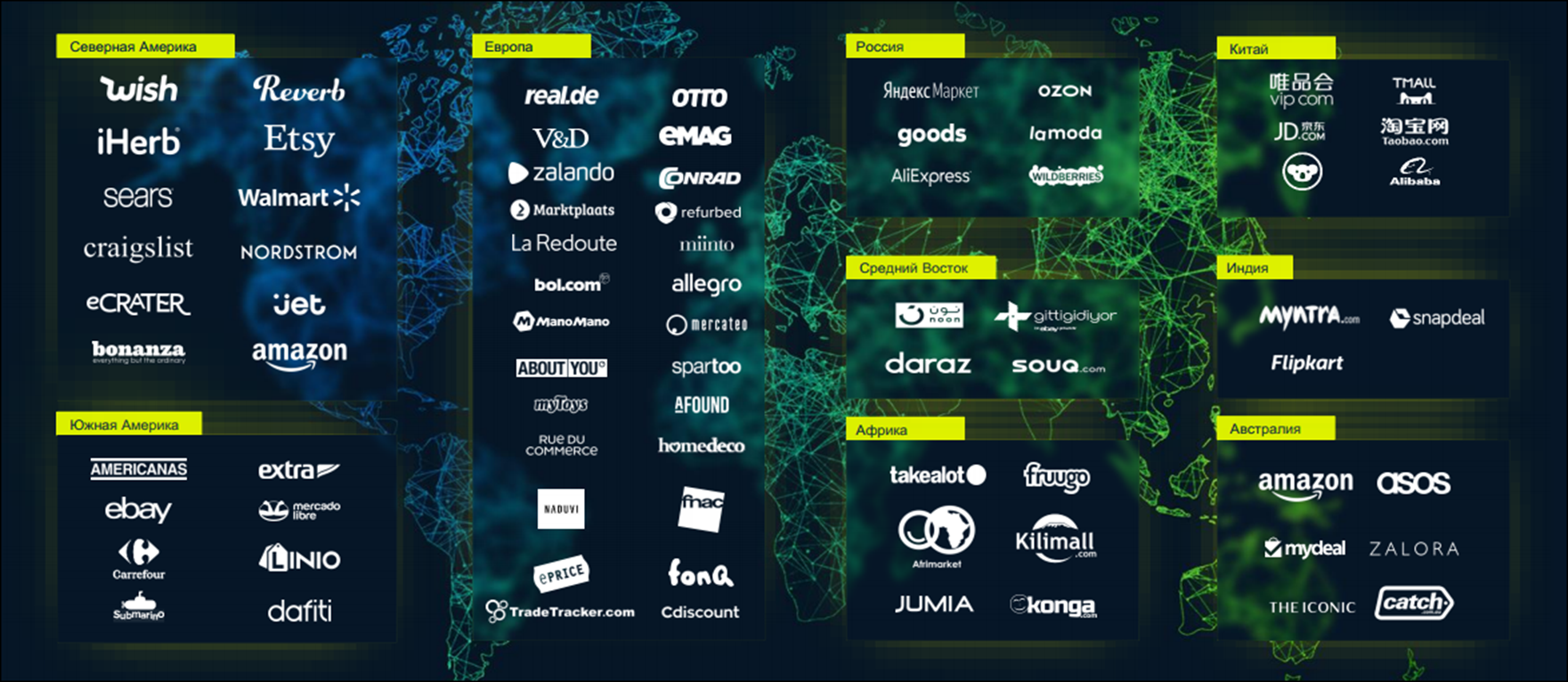
The structural argument the map supports is that Central Asian SMEs who try to skip the marketplace layer — launching a direct-to-consumer website from Bishkek or Tashkent and hoping international buyers find it — will, with rare exceptions, not generate the traffic needed to make the unit economics work. The marketplace is the visibility layer. For an SME at the scale most Ready4Trade beneficiaries were operating at in 2022, the marketplace layer matters more, at the entry stage, than the higher-margin direct-to-consumer alternative.
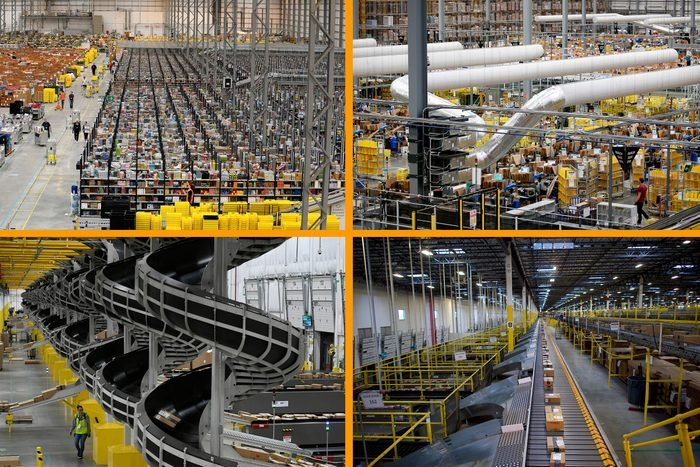
Amazon’s position at the centre of the US market was given its own section of the deck — not because Amazon is the right first move for every Central Asian SME, but because the audience’s mental model of Amazon was typically too vague to make a decision about it. The platform sells $4,722 worth of goods every second. Sixty-three percent of US consumers begin a product search on Amazon, not Google. A single seller account works across all European Amazon storefronts. One hundred million Prime subscribers each spend more than a thousand dollars a year. These are not abstract statistics; they are the operating context for a decision about whether to invest three months of work setting up a storefront.
The Central Asian seller already doing the work
The most concrete anchor in the deck was a Kyrgyz food-products brand — Arashan — that was already operating a storefront on Amazon-US, selling dried fruits, honey, and apricot products to US consumers. The brand had set up its storefront, registered under Amazon’s brand-registry programme, and was fulfilling orders through Amazon’s FBA (Fulfilled by Amazon) infrastructure.

The operating philosophy Arashan had arrived at — and that the deck surfaced for the wider audience — was specific: Amazon protects its reputation. When a customer buys from Amazon, they are trusting the platform, not the individual seller. If a seller loses Amazon’s trust by selling poor-quality goods, they are banned from the platform permanently. The platform controls the seller’s access, not the other way around. Sellers who internalise that constraint from day one build storefronts that last. Sellers who treat the platform as a channel they can operate on their own terms do not.
That operating philosophy, coming from a Kyrgyz brand that was already living inside the Amazon system, was more persuasive to the Central Asian audience than the same point made in the abstract.
The B2B layer the consumer marketplaces don’t show
The second half of the presentation covered a layer that most participants had not encountered: the B2B marketplaces for industrial, textile, and agricultural producers. Consumer marketplaces like Amazon and Etsy are built for buyers looking for finished products. B2B platforms are built for procurement officers looking for manufacturers and suppliers.
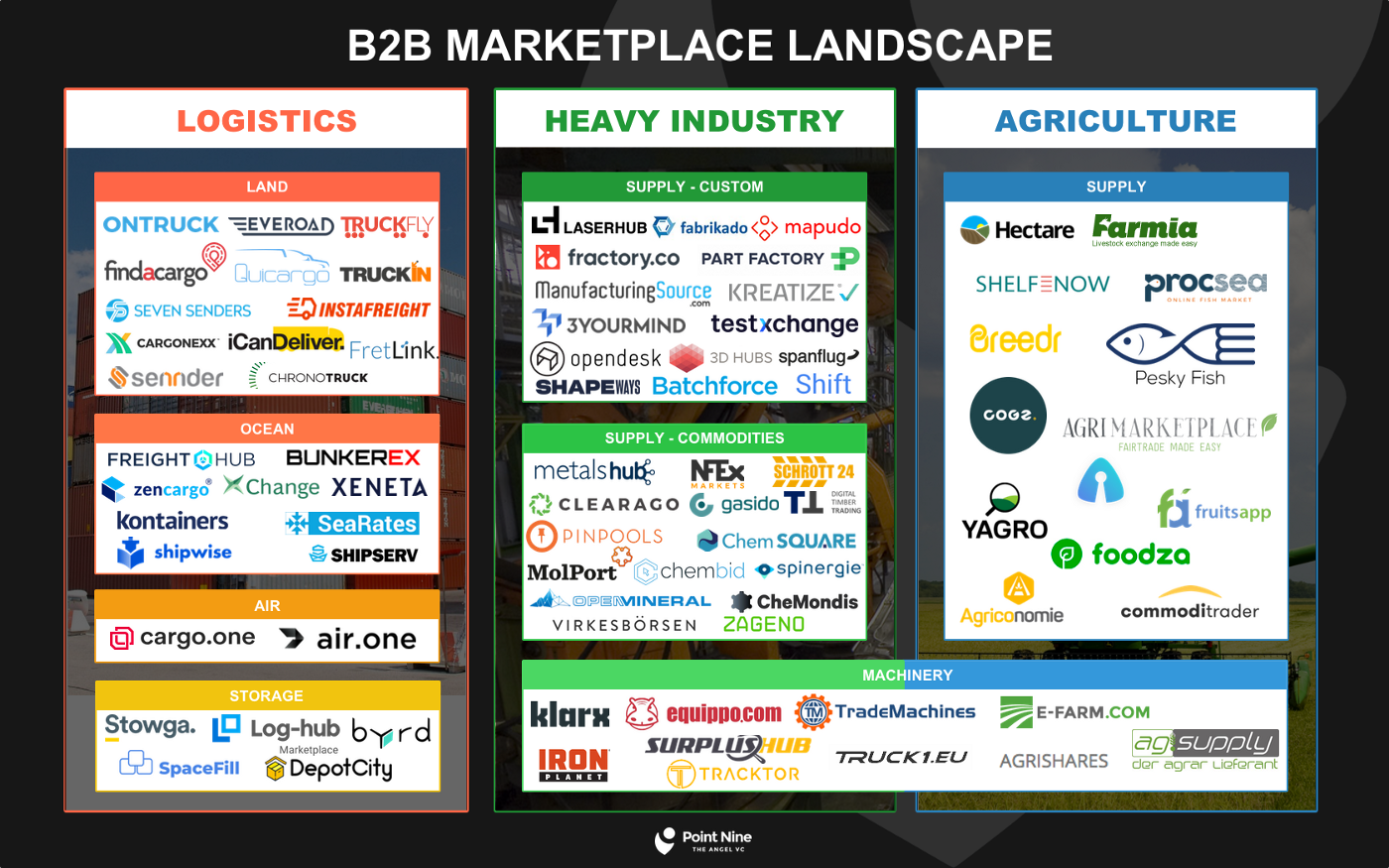
Foursource — a Berlin-headquartered textile platform with 130,000 monthly visitors, manual verification of every registered seller, and a buyer-quotation database accessible to registered sellers — was the most relevant platform for the Kyrgyz, Uzbek, and Kazakh garment manufacturers in the audience. A verified Foursource listing, combined with the right certifications and English-language production specifications, is a more efficient path to European buyers than a standalone website for most manufacturers at the scale Ready4Trade was working with.
Fibre2Fashion, out of India, serves the broader textile-industry information market — press releases, company profiles, paid features for website creation and top-result promotion within the platform. Both platforms operate differently from Amazon: no per-transaction commission, no consumer-facing product page, no fulfilment infrastructure. The buyer-seller relationship on B2B platforms runs through quotation-and-negotiation rather than through a one-click checkout.
The B2B recommendations the deck made were also different in structure from the B2C ones. The buyer on a B2B platform is a professional procurement officer. They evaluate suppliers on certifications, production capacity claims, quality-control documentation, regulatory compliance, and the clarity of production specifications — not on product photography and review counts. Getting a B2B listing right is a different skill set from getting a B2C listing right, and both skill sets take time to build.
ecomConnect
The deck’s closing section directed the audience to ecomConnect — the ITC-maintained online community and learning platform for e-commerce practitioners, accessible at ecomconnect.org. At the time of the presentation, the platform carried a set of practical tools alongside the peer community: an online business readiness test, an e-commerce cost calculator, an Africa Marketplace Explorer, and a library of online courses covering e-commerce introduction, quality content creation, virtual marketplace navigation, B2B e-commerce, and e-commerce policy.
For the SMEs and coaches in the audience, ecomConnect was the place to go after the webinar ended. A two-hour live session cannot transfer everything a seller needs to know about operating on a Western marketplace. The webinar created the frame. ecomConnect and its self-paced courses were where the frame could be filled in at the pace each company needed.
That hand-off — from webinar to platform — was a deliberate part of the design. The regional series was not trying to replace sustained learning with a one-time briefing. It was trying to point the hundred-plus participants toward the resources that could support the follow-through.
What the briefing made possible
The May 16 regional briefing was the first session of a series that ran through June 6, 2022, with three follow-on case-study webinars. A textile-platform operator, a food-products seller active on Amazon, and a walnut company selling into the Indian market each walked the audience through their specific operations. Those sessions worked because the first session had given the audience a map to navigate by.
Looking back nine months later, what the May briefing actually produced was a shared language. The companies that attended left with a working vocabulary for talking about marketplace choices, fee structures, fulfilment models, and the specific demands of B2B versus B2C channels. That vocabulary is the precondition for making a decision about which platform to try first. Without it, the decision is arbitrary. With it, the decision can be based on something.
That is not a glamorous outcome for a forty-two-slide deck. It is, however, the outcome a foundational briefing is designed to produce.
— Aziz Soltobaev, KG Labs, February 2023.