Promote Smart Policies is the Foundation’s policy contribution programme. The work covers regulatory analysis, policy briefs, formal consultation responses, and implementation advisory across digital infrastructure, AI governance, e-commerce, digital skills, and the wider technology-policy landscape in Kyrgyzstan and Central Asia. The work is anchored in the Foundation’s Policy theory-of-change function, which the Mission page sets out in full.
Policy contributions land best when they are built on evidence the Foundation has produced and engaged through the capacity it has built. Briefs are not assembled in isolation; they sit on a research record and a network of practitioners who can advance them through formal consultation processes.
AI Governance and Responsible AI
AI governance is the policy area in which the Foundation has been most active in recent years. Outputs include the country submission for Kyrgyzstan to the Global Index on Responsible AI (GIRAI) 1st Edition, regional thematic comparisons across the five Central Asian states, and a CAIDP policy contribution to the Kazakhstan AI policy review.
- Kyrgyzstan in the GIRAI 2023 Assessment — country submission with full three-dimensional breakdown.
- Where Rights Show Up — regional Human Rights and AI thematic comparison.
- National AI Capacities Across Central Asia — regional capacities comparison with strategic instrument timeline and capacity matrix.
- Central Asia in the GIRAI 2023 Assessment — regional dashboard.
- Kazakhstan’s AI Governance Landscape — CAIDP policy brief.
- Per-country profiles: Kazakhstan · Tajikistan · Uzbekistan · Turkmenistan.
Through formal consultation processes, the Foundation has engaged with Kyrgyzstan’s Digital Code Chapter 23 (Systems of Artificial Intelligence) — the country’s principal draft instrument for risk-based AI governance, comparable in intent to the EU AI Act — when it was open for public consultation in 2023. The State Language Programme 2021–2025 and the Cabinet Action Plan to 2026, both binding national policy documents that explicitly assign AI work to a named implementing agency, were the basis of Kyrgyzstan’s positive scores in the Cultural and Linguistic Diversity dimension of GIRAI 2023.
Digital Public Infrastructure
The Foundation’s digital public infrastructure work covers identity, payments, data exchange, and platform interoperability as public goods. Recent and ongoing contributions include the School Connectivity Playbook for Central Asia, prepared for the UNICEF Office of Innovation’s GIGA Accelerate Project (2021–2022), and earlier policy contributions to the Taza Koom National Digital Transformation Strategy and Vision 2040 National Sustainable Development Strategy.
E-Commerce and FinTech Regulation
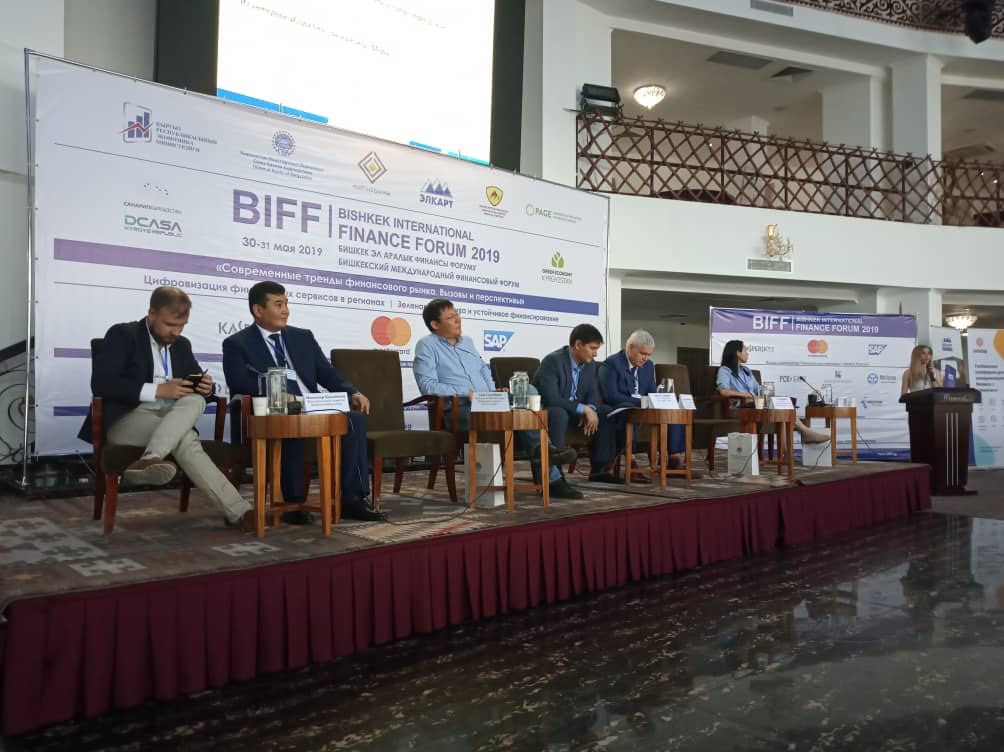
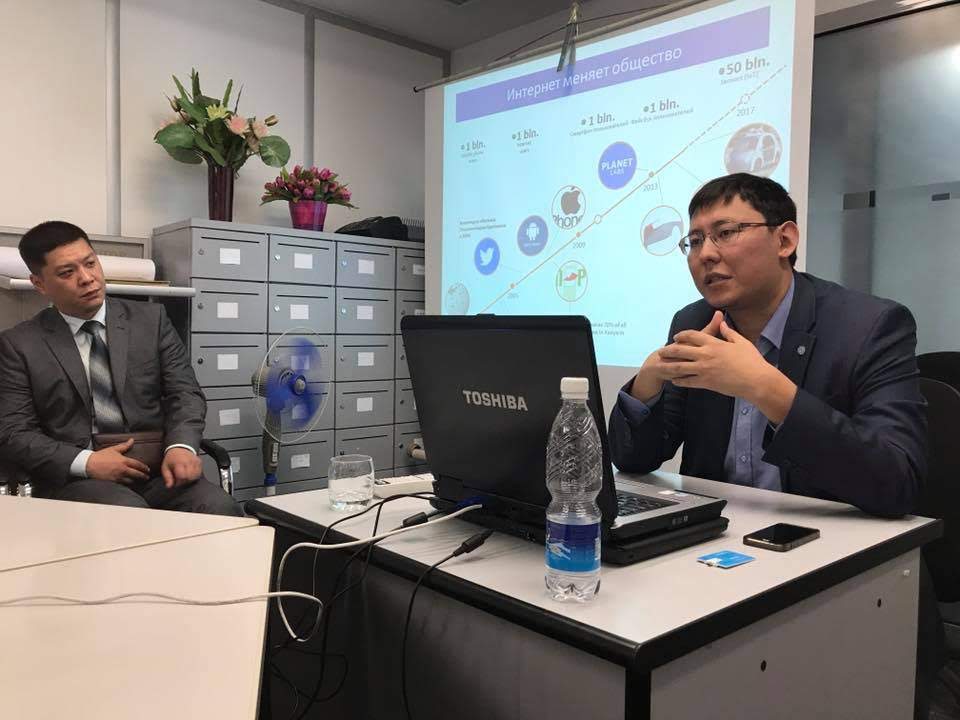
Through 2018–2019, the Foundation co-organised a four-event FinTech Series with the National Payment System “Elcart” and the Interbank Processing Center, and participated in working groups on the Draft Law on E-Commerce in Kyrgyzstan. The 2019 E-Commerce and FinTech Hackathon with GIZ Trade Facilitation Central Asia provided the convening platform from which subsequent regulatory contributions were drawn. The QR Payments Case Battle contributed evidence to the national conversation on payment-system modernisation.
Innovation Policy and Intellectual Property
The Foundation’s 2019 partnership with Kyrgyzpatent contributed three policy recommendations on IP information accessibility, the registration friction between patent and copyright systems, and payment modernisation. The work was co-developed with the Kyrgyz Republic’s intellectual property and innovation agency. The Osh City ICT Development Roadmap 2019–2024, prepared with Internet Society Kyrgyz Chapter and funded by GIZ Sustainable Economic Growth, set out a twelve-direction regional digital-development plan for Kyrgyzstan’s second city. Read the roadmap →
Multilateral Engagement
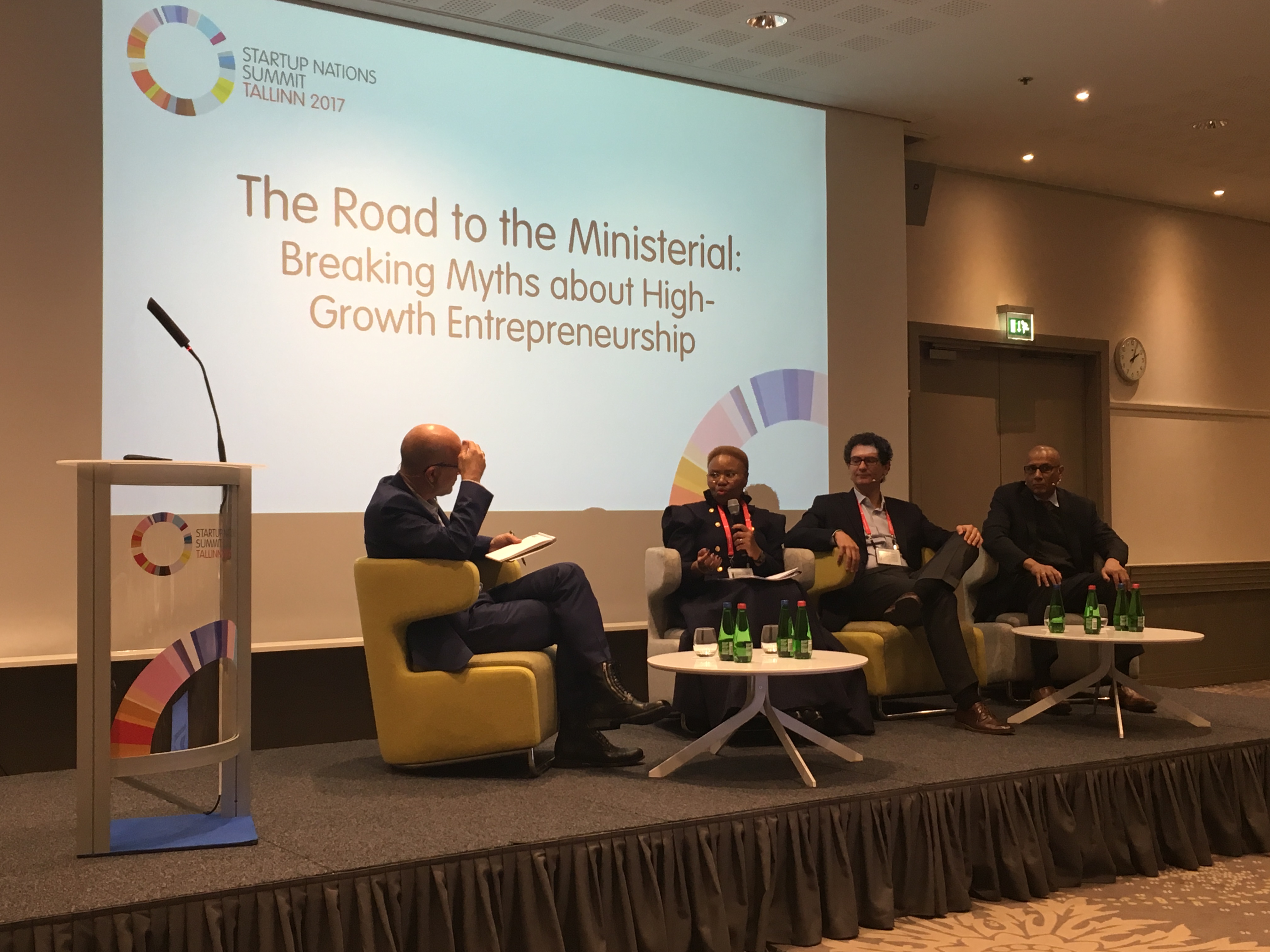
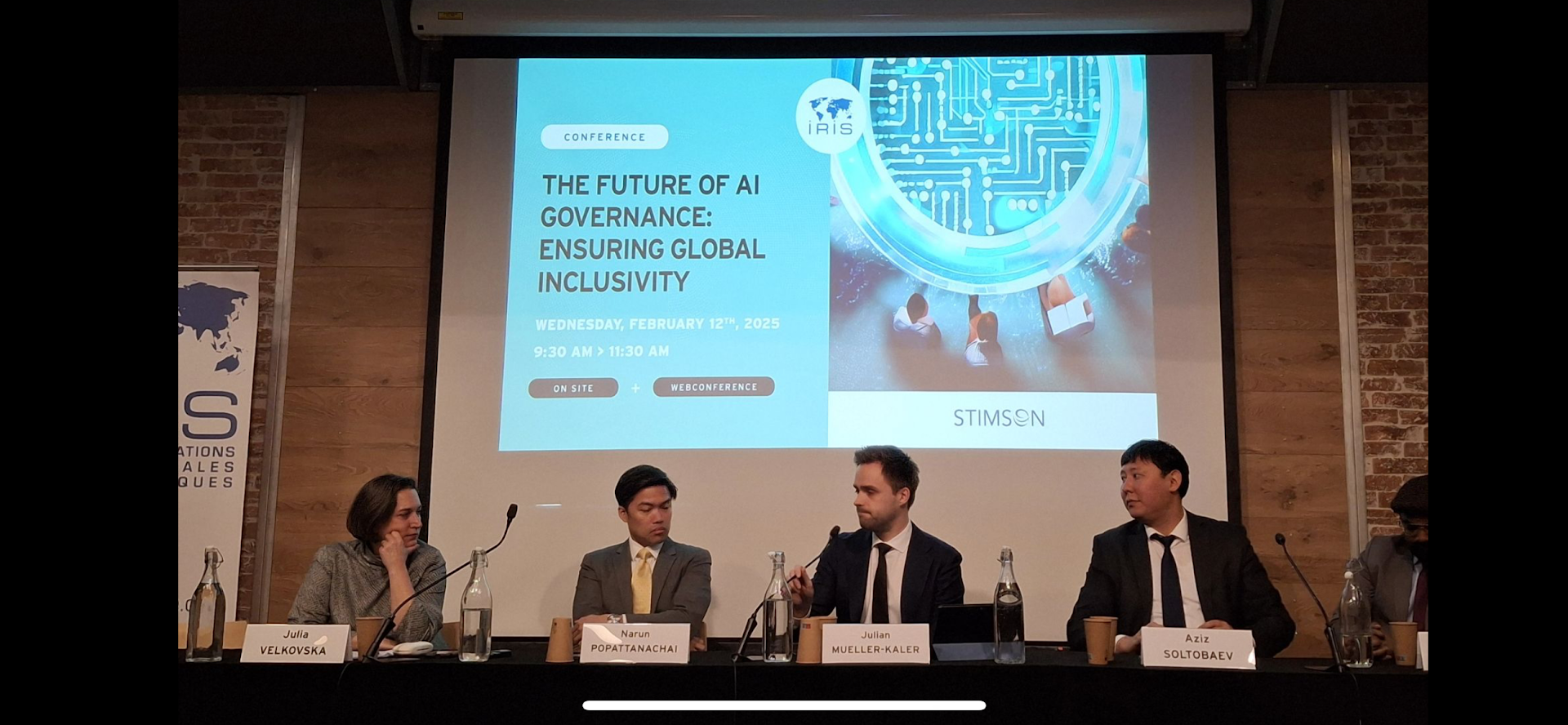
The Foundation engages multilateral processes when its evidence base is relevant. Recent and ongoing engagement includes participation in the UN Special Programme for Economies of Central Asia (SPECA) Working Group; authorship of the Science, Technology and Innovation Gap Analysis of the Kyrgyz Republic for the United Nations Economic Commission for Europe (UNECE Geneva, 2020); citation of KG Labs as a Good Practice and Initiative Supporting Innovation for Sustainable Development in the UNECE SPECA background paper (2018); and ongoing fellowship engagement with the Stimson Center’s Strategic Foresight Hub and Microsoft’s Office of Responsible AI, the Atlantic Council AI Connect programme via the GeoTech Center, and the Center for AI and Digital Policy.
Promote Smart Policies sits alongside the Foundation’s other operational programme areas: Build Skills, Research, Unite Community, and Raise Awareness.